
Top High-Protein Foods for Women Over 50
Think protein is only for bodybuilders? Not quite.
For women over 50, protein becomes essential—not optional. It helps preserve muscle, supports bone strength, keeps metabolism steady, and even benefits brain health. As hormones shift and energy dips, getting enough protein can make a real difference in how you feel day to day.
The best part? You don’t need complicated meals or endless shakes. Simple, smart food choices can easily boost your intake.
Here are 10 high-protein foods that are practical, powerful, and easy to enjoy in everyday life.
1. Greek Yogurt: The Creamy Calcium Champion
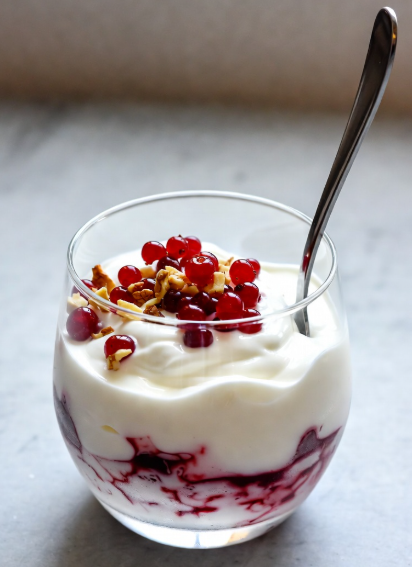
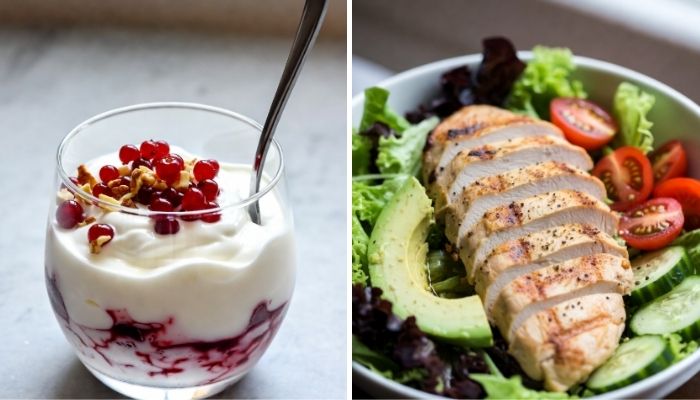
One cup of plain nonfat Greek yogurt packs around 20g of protein plus calcium to support strong bones.
Light, creamy, and surprisingly powerful, it’s an easy daily win.
Tip: Add berries, a little honey, and flaxseeds for extra fiber and antioxidants.
Bonus: Its probiotics can also support digestion.
Not a fan of the tang? Try vanilla or blend it into a smoothie with banana and spinach.
2. Eggs: Nature’s Perfect Little Packages

Each large egg delivers about 6g of complete protein, containing all nine essential amino acids. The yolk also provides choline, which supports memory and brain health.
Think of eggs as small but mighty nutrition packages.
Tip: Don’t skip the yolk—current research shows moderate whole-egg intake is safe for most women.
Hack: Hard-boil a batch ahead of time for quick snacks or easy salad toppers during busy days.
3. Cottage Cheese: The Quiet Overachiever
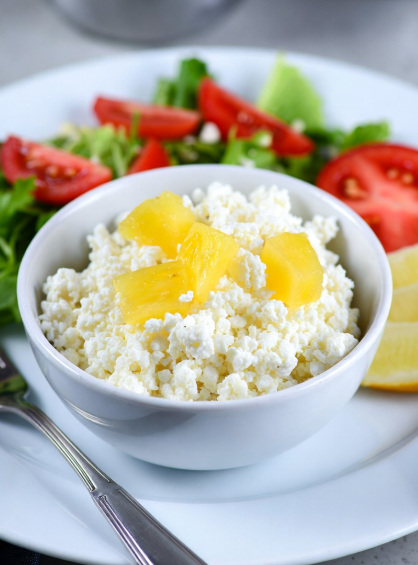
One cup of cottage cheese delivers about 25g of protein, mostly slow-digesting casein that helps keep you full longer.
Think of it as ricotta’s heartier, more satisfying cousin.
Best use: Blend until smooth and pair with pineapple or melon for a sweet-savory combo, or enjoy it on its own before bed to support overnight muscle repair.
4. Lean Chicken Breast: The Reliable Classic
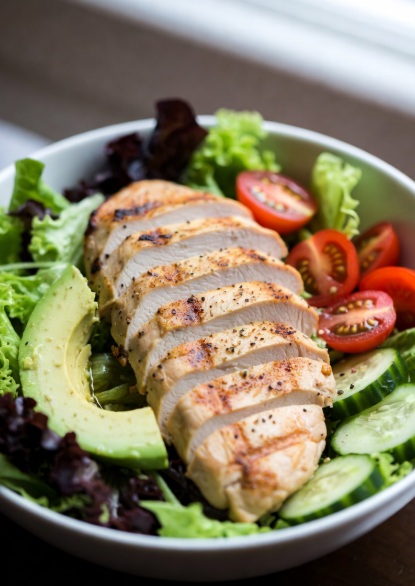
A 3-ounce cooked serving of chicken breast provides about 26g of lean protein with minimal fat.
It’s a classic staple—simple, reliable, and easy to pair with almost anything.
Tip: Marinate in olive oil, lemon zest, garlic, and herbs, then grill or pan-sear for extra flavor.
Easy meal: Slice over mixed greens with cherry tomatoes and avocado for a satisfying, protein-packed bowl.
5. Salmon & Other Fatty Fish: Protein + Omega-3 Bonus
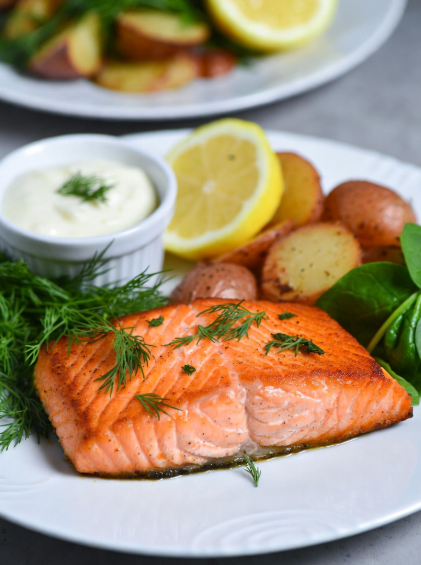
A 4-ounce salmon fillet delivers about 22–25g of protein plus omega-3s that support heart, joint, and brain health.
It’s a true two-in-one: quality protein with beneficial fats.
Idea: Turn it into salmon burgers on whole-grain buns with a Greek yogurt–dill sauce.
Tip: Choose wild-caught or responsibly farmed when possible.
6. Lentils: The Tiny Legume Army
A 4-ounce salmon fillet provides about 22–25g of protein along with omega-3s that support heart, joint, and brain health.
It’s a simple two-in-one: high-quality protein plus beneficial fats.
Idea: Make salmon burgers on whole-grain buns with a Greek yogurt–dill sauce.
Tip: Opt for wild-caught or responsibly farmed when you can.
7. Quinoa: The Ancient Grain Superhero
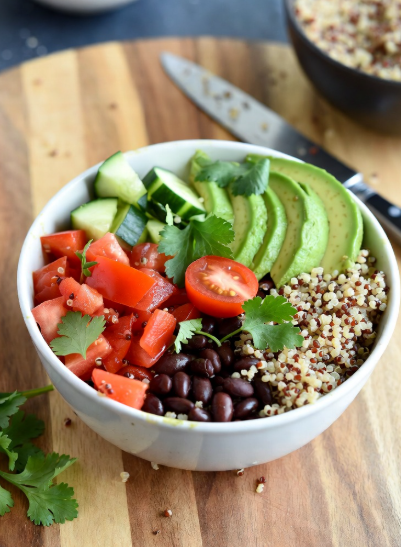
One cooked cup of quinoa provides about 8g of complete protein, along with magnesium and iron.
It may seem simple, but it’s surprisingly nutrient-dense.
Tip: Swap it for rice—combine with sautéed veggies, beans, and a squeeze of lime for a satisfying bowl.
Note: Rinse well before cooking to remove any natural bitterness.
8. Tofu & Tempeh: Plant-Based Powerhouses
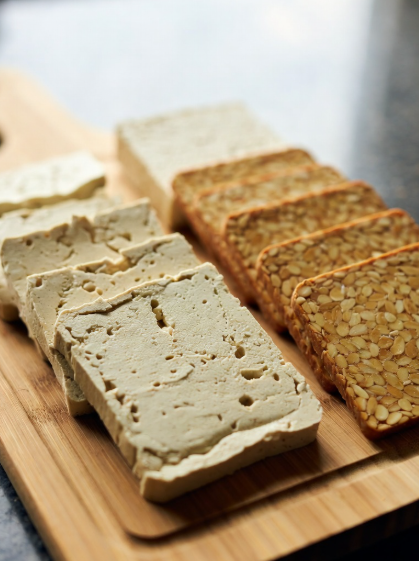
Firm tofu provides about 10–12g of protein per half-cup, while tempeh offers around 15g—both are complete plant proteins.
Tofu is incredibly versatile, soaking up whatever flavors you add.
Tip: Press, cube, marinate in soy sauce, ginger, and garlic, then pan-fry until crispy.
Tempeh idea: Crumble into tacos, chili, or veggie burgers for a hearty, nutty texture.
9. Nuts & Seeds: Small but Mighty Gems
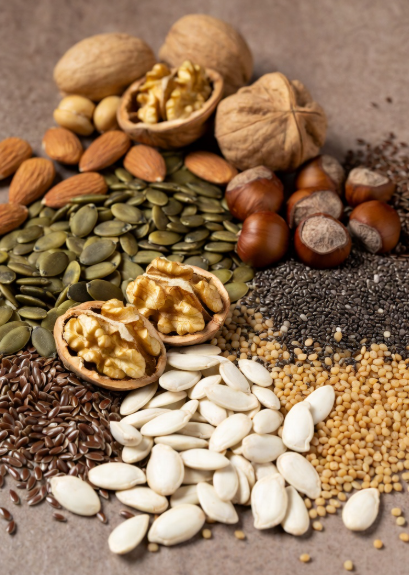
An ounce of almonds provides about 6g of protein. Chia seeds add 4–5g per two tablespoons along with fiber and omega-3s, while hemp seeds pack around 10g in the same amount.
Small but mighty, these add-ons can boost protein without much effort.
Idea: Make a simple trail mix with almonds, walnuts, pumpkin seeds, and a few dark chocolate chips.
Easy boost: Sprinkle hemp seeds or pistachios over yogurt, oatmeal, or salads.
10. Edamame: The Fun Green Bites
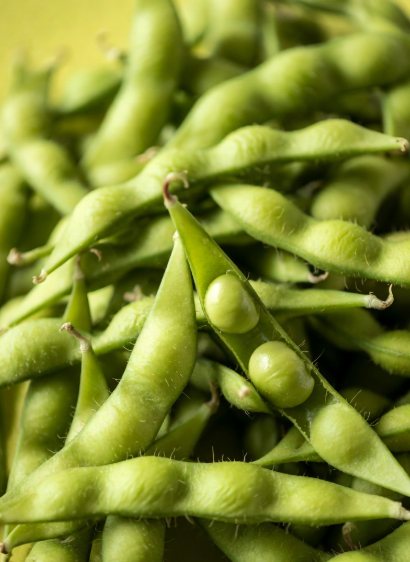
One cup of shelled edamame delivers about 17g of protein, along with folate and vitamin K.
Bright, simple, and satisfying, they’re an easy way to boost nutrition.
Snack idea: Steam and sprinkle with sea salt and chili flakes.
Meal boost: Toss into grain bowls or salads for extra color and protein.
Putting It All Together: A Simple Weekly Blueprint
Monday
Breakfast: Greek yogurt parfait with berries & flax
Lunch: Quinoa salad with grilled chicken, edamame & spinach
Dinner: Baked salmon with steamed broccoli
Tuesday
Breakfast: Veggie omelet (2 eggs + extra whites) with a little feta
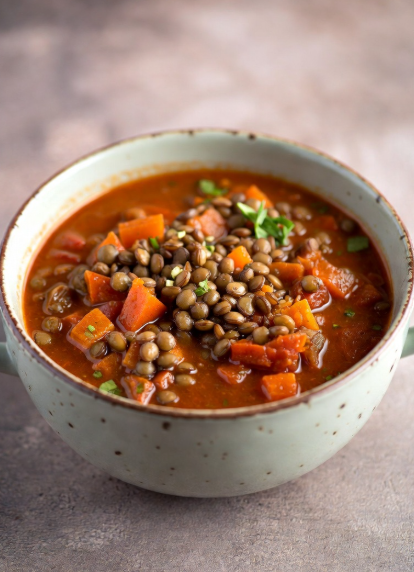
Lunch: Lentil soup with whole-grain toast
Dinner: Tofu stir-fry with mixed vegetables and brown rice
Mix and match meals to keep things flexible and enjoyable.
Keep simple staples like hard-boiled eggs and cottage cheese on hand—they make quick, high-protein options for busy days.
Protein Myths — Busted
“I’ll bulk up like a bodybuilder.”
Not likely. After 50, protein helps maintain lean muscle—not create bulky physiques. Hormones simply don’t support that kind of rapid muscle growth.
“I can’t handle dairy anymore.”
You still have options. Try lactose-free yogurt or cottage cheese, or go for plant-based versions with added pea or soy protein.
“Supplements are enough.”
Whole foods are the better foundation—they bring protein plus essential vitamins, minerals, and fiber. Use powders or bars as a backup, not your main source.
Quick Tips to Make Protein Easy
- Stir a scoop of protein powder into oatmeal or pancake batter for an easy boost.
- Batch-cook on Sunday: roast chicken, boil eggs, and simmer lentils to save time all week.
- Pair protein with fiber and healthy fats to stay fuller longer and keep energy steady.
- Drink plenty of water—your body needs it to properly process protein.