
Looking for a New Job This Year? Here Are All the Best Places to Look


Whether you’re seeking a new challenge in your career, eager to leave your current role, recovering from an unexpected layoff, or simply exploring new opportunities, the job market is bustling with options.
The U.S. Bureau of Labor Statistics reports that there are currently 7.7 million job openings available.
However, with 7.8 million unemployed individuals actively searching and many employed professionals also on the lookout, the competition is tough.
To stand out, it’s crucial to explore a variety of resources, job boards, and websites, focusing on those that align with your skills and career goals.
A strategic approach to your job search can make all the difference.
LinkedIn is a popular starting point for many, as it offers easy access to job opportunities and leverages your network to help connect you with potential roles.
But it doesn’t have to be your only option. If you feel like you’ve hit a wall on LinkedIn or want to try a different experience, there are plenty of other platforms to consider.
Below, we share 12 of our favorite resources to help you find your next job in the new year.
1. Upwork
Upwork is especially valuable for tech professionals and design enthusiasts looking to build their portfolios and land exciting freelance gigs.
The key to success on this platform lies in how well you present your profile and portfolio.
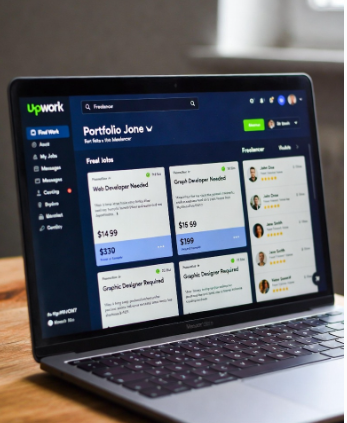
To make an impact, invest time in showcasing your work samples, crafting a compelling bio, and creating an impressive resume.
These elements come together to form a strong proposal that will catch the attention of potential clients.
With thousands of opportunities available, it’s crucial to define your niche, focus on a few core skills, and identify your target audience.
This targeted approach can significantly improve your chances of landing the right projects.
2. Ladders
Ladders is renowned for featuring high-paying job opportunities, with listings offering salaries of $100,000 or more.
Since employers must pay to post their job openings on the platform, you can expect to find quality listings from reputable companies that are serious about hiring.

In addition to job postings, Ladders offers valuable resources to support your job search, including free resume reviews, instant job applications (where they apply on your behalf!), and career advice to help you improve your job search and present your best self to potential employers.
3. Indeed
Indeed offers a robust search interface with a variety of useful filters, making it an ideal starting point for your job search.
It hosts a wide range of job listings across industries, roles, and experience levels, allowing you to quickly refine and adjust your search based on your interests.

You can filter jobs by salary, industry, or experience level to gain a better sense of what might be a good fit for you.
Another great feature of Indeed is its “Company Reviews,” where you can hear firsthand from current and former employees about what it’s like to work at both well-known companies and smaller businesses.
This insight can be invaluable as you explore potential employers.
4. Glassdoor
Glassdoor is an invaluable tool for any job seeker looking to make informed decisions.
It’s widely recognized for its comprehensive company reviews, interview insights, and salary data for various roles, helping you gain a clear understanding of what to expect at different organizations.

Once you create a profile, you can easily apply for jobs with just a few clicks, streamlining your entire application process.
Beyond job hunting, Glassdoor also lets you connect anonymously with professionals to discuss work culture, pay, and other key topics.
This feature allows you to gather essential information, ensuring you make the best choice for your next career move.
5. Monster
Monster, one of the original job-hunting platforms, has evolved significantly over the years, expanding its career resources, tools, and opportunities.
One standout feature is its user-friendly app, which makes it easy to browse for new roles that match your skills and interests.
With years of experience in the job market, Monster has accumulated a wealth of insights into how people land new positions.

You can explore their sections for popular job titles, locations, and trending searches to inspire your own search.
Additionally, Monster offers career advice articles and AI-powered interview preparation to help you feel confident and ready as you navigate your job search.
6. FlexJobs
FlexJobs specializes in what many of us are after: more location flexibility, with a focus on remote, freelance, and hybrid job opportunities.
While remote work is their specialty, they also offer roles that provide flexible hours or a mix of in-office and work-from-home days, perfect for those who want some office interaction.

For a more tailored job search experience, FlexJobs offers a paid subscription that provides personalized support, expert guidance, and additional resources from their dedicated team.
Even if you’re not actively job hunting, their content section is incredibly useful, offering tips and strategies to make your current job more WFH-friendly.
7. Woman-Focused Boards
Platforms like Career Contessa, Girlboss, Where Women Work, and reachHire are fantastic job search resources specifically tailored for women.
These platforms offer unique features that you won’t typically find on traditional job boards, with a strong focus on addressing issues like the gender pay gap, work-life balance, family-friendly benefits, career advancement opportunities, and flexible scheduling.

This ensures that the jobs posted align not only with your professional goals but also with your personal lifestyle.
Many of these platforms go beyond job listings, offering additional resources like career coaching, Facebook groups, and even podcasts to help women grow and succeed in their careers, no matter the industry.
8. Industry-Specific Boards
Sure, you could use a search filter on a job listing platform and find what you need, but if you really want to dig into what jobs are in your industry, you might as well go straight to the source by using an industry-specific job board.

To find these, Google “[Your Industry] Job Board” and see what comes up. You’ll be surprised how niche they get! A few of our favorites include MediaBistro for media and creative jobs, Dice for tech jobs, HCareers for hospitality jobs, School Spring for education jobs, and Marketing Hire for marketing jobs.
9. Alumni Associations
Whether you’ve recently graduated or your college days feel like a distant memory, your alma mater can still be a valuable resource in your job search.
Start by checking if your school offers a career portal or hosts hiring events for alumni.

Many schools provide ongoing support even after graduation. Next, consider signing up for local mixers, even if you’ve moved away, and stay engaged with online communities or networking events where you can connect with fellow alumni and potential employers.
You never know when a classmate or a school connection might open the door to your dream job, so don’t underestimate the power of your college network in helping you find the right role.
10. A Search Firm
Working with recruiters might seem like an option reserved for senior-level professionals, but thanks to new technologies and a competitive job market, this resource is now accessible to talent across various experience levels.
Recruiters and search firms can be especially helpful for mid-career professionals, those with several years of experience, or individuals with specialized technical skills.

However, working with recruiters requires some effort on your part, such as conducting research and attending meetings to find the right match.
The best part? Most recruiters are paid by the companies that hire you, so the process only costs you your time and energy as you explore the opportunities available through this route.
11. Your Network
You likely have more people in your network who can assist with your job search than you realize.
The most valuable networks are those that span across different industries, demographics, and interests because they offer a broad range of perspectives and opportunities.

Your network isn’t confined to a single platform—it includes your connections, past managers, community members, and friends who may be able to help you find your next role.
It’s also important to build and nurture your network well before you need to ask for help.
By fostering genuine relationships over time, you create a network that’s more likely to support you when the time comes.
And remember, networking is a two-way street—consider how you can offer value to your contacts, whether that’s through a helpful introduction or advice, as you make your rounds.
12. Your Dream Company’s Website or Social Media
If you’ve set your sights on working for a specific company, make it a habit to regularly check their website and follow them on social media to stay updated on when new roles are posted.
Many companies announce job openings on their own platforms first, before posting them on job boards, giving you a chance to apply early.

If you don’t see any current openings that fit your skills, consider sending a cold pitch via email or direct message to introduce yourself and inquire about potential opportunities.
Even if there’s nothing available at the moment, it’s a good idea to ask them to keep you in mind for future roles that align with your expertise. Remember, if you don’t ask, the answer is always no—so don’t hesitate to put yourself in front of your dream company.