Daily Wellness Habits For Women Over 40


I used to keep my distance from “wellness” people. To me, wellness felt like a luxury—something reserved for those with extra time, extra money, and perfectly curated lives. It didn’t feel practical, or even possible, for the season of life I was in.
But at 40, my perspective has shifted.
Not because I suddenly became wealthy or gained the freedom to sit in silence and practice gratitude all day—but because I realized a hard, simple truth: no one is going to take care of my well-being for me.
And this isn’t about chasing a trend.
Wellness in your 40s is quiet. It’s meditating on an unmade bed. It’s choosing the most nourishing option from a fridge that isn’t always full. It’s moving your body in small, imperfect ways—without matching activewear or a rigid routine.
It’s less about how it looks, and more about how it feels.
Less performance, more intention.
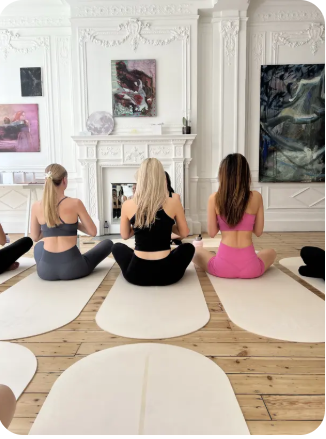
Quiet wellness is built on small, consistent practices—the kind that gently bring more calm, energy, and presence into everyday life.
What follows is a compassionate, practical guide. This isn’t medical advice—just what has worked for me, and for many women I’ve spoken with—offered as an invitation to care for your body in a way that feels sustainable, realistic, and genuinely your own.
What Burnout Looks Like for Women Over 40
Burnout in midlife rarely announces itself as a breakdown.
More often, it arrives quietly—so quietly that you begin to believe this is just how life feels now.
You’re still functioning.
Still showing up.
Still getting things done.
And yet, everything feels heavier than it should.
You wake up tired, even after a full night’s sleep.
Small things feel overwhelming.
What once brought you joy barely registers anymore.
Your energy never fully returns, no matter how much you “rest.”
You feel foggy. Irritable. Disconnected—like you’re moving through your days on autopilot.
And because you’re capable, you brush it off.
Hormones. Stress. Age. Being busy.
But the truth is this: years of responsibility, emotional labor, caregiving, and putting yourself last don’t disappear. They accumulate. And eventually, your body asks you—quietly at first—to stop pushing.
What worked in your 30s doesn’t work the same way anymore. Powering through, multitasking harder, or tightening your routines often makes things worse—not better.
Midlife burnout isn’t weakness.
It’s a signal.
Core Principles of Wellness in Your 40s
In your 40s, movement becomes about pleasure.
Food becomes about nourishment.
And rest becomes a practice—not a luxury.
Yes, we may need more naps. Recovery takes longer. Sleep never quite feels like enough. And foods we once tolerated suddenly feel impossible.
And that’s okay.
These changes aren’t problems to solve—they’re invitations to shift priorities. Wellness at this stage asks for a different mindset. We’re no longer treating our bodies as projects to fix or systems to optimize.
Instead, we’re learning how to live with them.
So whatever wellness practice you choose to explore, let these principles guide you—because the goal isn’t burnout. It’s a sustainable way of living.
Consistency over intensity
Small, daily habits win. Ten minutes most days will always beat one exhausting workout a month.
Ritual over regimen
Practices that feel meaningful last longer. Treat your routines as rituals, not obligations.
Listen, don’t fight
Meet your body with curiosity. Pay attention to energy shifts, moods, and monthly rhythms.
Energy-first approach
Choose what brings calm and vitality. Don’t force a practice just because it’s popular.
Boundaries as self-care
Non-negotiable for lasting wellness.
Flexibility over rigidity
Stay committed—but leave room to adapt as life, energy, and seasons change.
Sleep & Rest: The Foundation
Sleep may not sound glamorous, but it’s the foundation of everything.
And honestly? That’s not wrong.
Sleep is where recovery happens. It repairs your body, helps balance hormones, and steadies your mood. When sleep suffers, everything else follows—energy crashes, irritability rises, skin dulls, and decision-making gets foggy.
That alone makes it worth prioritizing in your 40s.
Here’s what’s worked for me—and what might work for you:
Go to bed at the same time each night. Your body thrives on rhythm and predictability.
Use your bedroom only for sleep. Train your brain to associate this space with rest, not stimulation.
Cut back on screens before bed. Some nights, I just lie there staring at the ceiling—daydreaming like it’s the ’90s again.
Even with the chaos of real life—credit card bills, uncertainty, instability—I still wake up some mornings ready to greet the sun like a fool. Smiling at the sky. Almost singing with the birds.
That’s what a good night’s sleep can do.
In your 40s, rest isn’t indulgent.
It isn’t optional.
It’s your lifeline.
Move for Joy, Not Punishment
I work from home, which means if I don’t move with intention, I can easily spend an entire day sitting. And not moving isn’t just boring—it slowly drains your energy, dulls your mood, and wears on your body over time.
I originally started exercising to lose a few pounds. But somewhere along the way, I discovered something far more valuable: movement changes how you feel.
Before I even realized it, I was hooked.
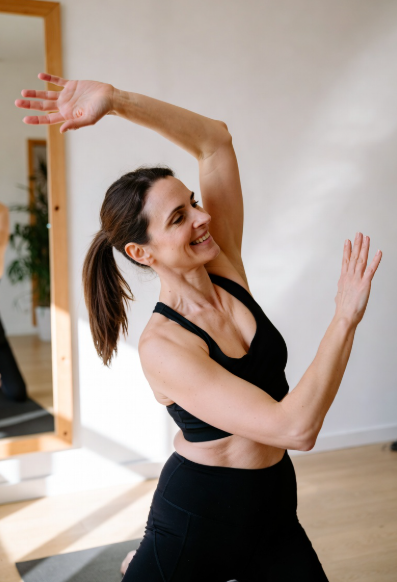
Doing some form of movement every day became non-negotiable—not because I had to, but because I wanted to. It turned into a quiet support system for my confidence, my energy, and my overall sense of well-being.
If you’re hesitant to start, this simple mindset shift helps:
Do it now. Improve it later.
Don’t wait for the perfect gym, the perfect playlist, or the perfect workout outfit. Just begin. Walking 1,000 steps in front of the TV counts. Stretching on the floor counts. Consistency matters far more than perfection.
Personally, I swear by Pilates. It’s helped me reconnect with my body, improve my posture, and—unexpectedly—made trying on clothes genuinely enjoyable again.able again.
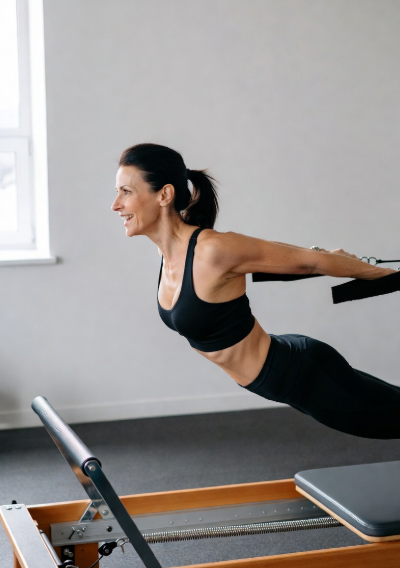
But more than what you do, your intention matters.
Before you move, set one. Treat movement as a practice—a ritual—not a punishment. This isn’t about burning calories or fixing yourself. It’s about honoring your body and offering it what it needs.
Eat for Energy, Not Guilt
The older I get, the more I understand that food isn’t just fuel—it’s a reflection of how I care for myself.
I no longer follow strict diets or obsess over calories. What matters now is how food makes me feel in my body, my mood, and my energy.
I still enjoy bread, desserts, and coffee. I just eat more mindfully. I pause and ask myself, Will this make me feel good afterward?
Sometimes the answer is a salad. Other times, it’s a slice of cake—enjoyed fully and without guilt.

So instead of chasing perfection, focus on nourishment. Choose foods that help you feel energized, satisfied, and balanced—most of the time.
Because wellness in your 40s isn’t about control.
It’s about care.
Calm Is Your Superpower
I don’t know about you, but stress is my worst enemy.
It wrecks my sleep, shows up on my skin as sudden breakouts, and quietly seeps into everything else. I’ll be the first to admit—I’m not naturally great at managing stress, so this isn’t coming from a place of mastery.
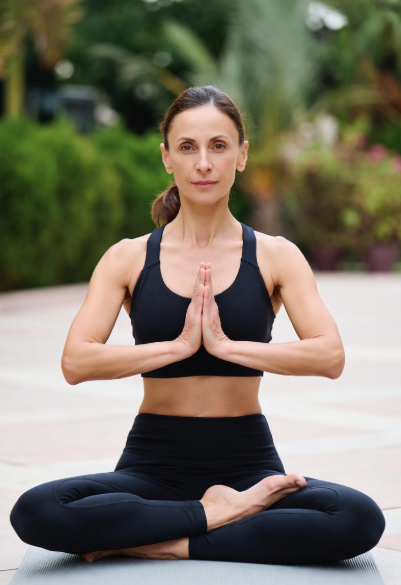
But I have noticed what helps.
Exercise, for one. Not in a punishing way—but as a way to regulate my mood. Moving my body helps me feel less on edge, less reactive, and less easily triggered. That part I can recommend without hesitation.
Other things that have helped me protect my calm?
Not answering every phone call.
Setting boundaries—and actually trying to keep them.

Consuming less bad news and more comedy, lighter shows, and stories that don’t spike my nervous system.
And choosing—again and again—to prioritize my health and well-being, even when life feels loud.
Calm doesn’t arrive all at once. It’s built quietly, through small choices that tell your nervous system: you’re safe now.
Build Rituals, Routines & Small Practices That Add Up
At this stage of life, I’ve learned something important: real change doesn’t come from dramatic overhauls. It comes from small, consistent choices.
What you do every day matters far more than what you do once in a while.
Instead of chasing motivation, I focus on building rituals—simple practices that feel good to return to. Morning stretches. Lighting a candle before bed. Drinking a big glass of water before coffee. A short walk after lunch.
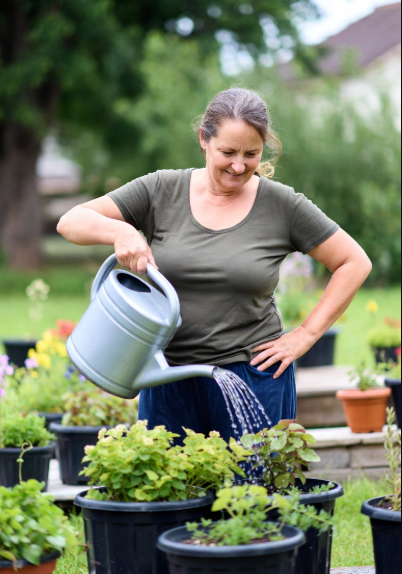
These moments may seem insignificant, but they add up. They create structure in a chaotic world. They gently anchor you back to yourself when everything else feels out of control.
I think of my day as a series of small moments of care—tiny pockets of time where I check in with my body and my mind. Sometimes it’s journaling for five minutes. Sometimes it’s stepping outside for fresh air. Sometimes it’s just sitting still and breathing.
You don’t need to do everything perfectly.
You just need to do something—and do it often enough that it becomes part of who you are.
That’s how wellness sticks. Not through pressure or discipline, but through presence.
Wellness after 40 isn’t a finish line or a checklist.
It’s a steady return to yourself.

Start with one tiny change: fifteen extra minutes of sleep, a short walk, or one nourishing meal. Notice how your body and mind respond.
The rest will follow.
You don’t need perfection.
You need presence.
Not detox teas—but boundaries, rest, and emotional peace.
Start Your Day with Water
After a night of sleep, your body needs hydration. Drinking a glass of water in the morning gently wakes up your system, supports digestion, and can even give your skin a healthy, natural glow.

Try keeping a glass or bottle of water by your bed. As soon as you wake up, drink it—before checking your phone or making coffee. This tiny habit can help you feel more refreshed, more grounded, and more energized throughout the day.
Take Time to Breathe and Relax
Stress can affect your sleep, your digestion, and even your skin.
That’s why it’s important to pause during the day and take a few deep breaths.
Just five minutes of quiet, intentional breathing can help calm your nervous system and bring your body back into balance.
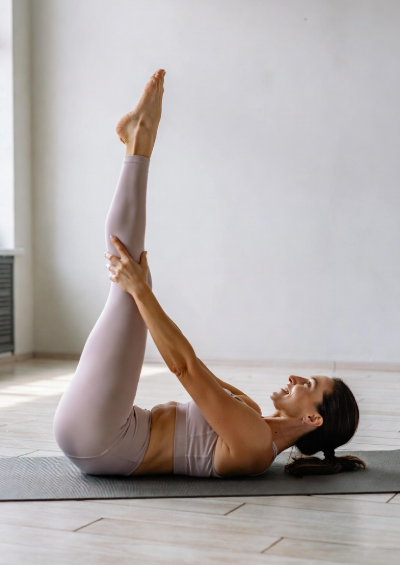
You can also try meditation or listening to relaxing music. Some women enjoy journaling, or simply sitting quietly with a cup of tea.
These small moments of peace act like medicine for your mind and body.
Stay Social and Connected
Loneliness can quietly affect your health, especially as you get older. Making time for friends, family, or community—even in small ways—matters more than we often realize.
Laughing together, sharing stories, or simply feeling seen can lift your mood, reduce stress, and remind you that you’re not meant to do life alone.

If you’re busy, even a quick phone call or a thoughtful text can make a difference. You might also enjoy joining a book club, volunteering, or taking a walk with a neighbor.
Staying connected nourishes both your heart and your mind.
Practice Gentle Skincare
As your skin changes with age, it needs a little extra care. Choose gentle cleansers and hydrating moisturizers that support your skin barrier. And don’t skip sunscreen—daily protection matters, even on cloudy days.
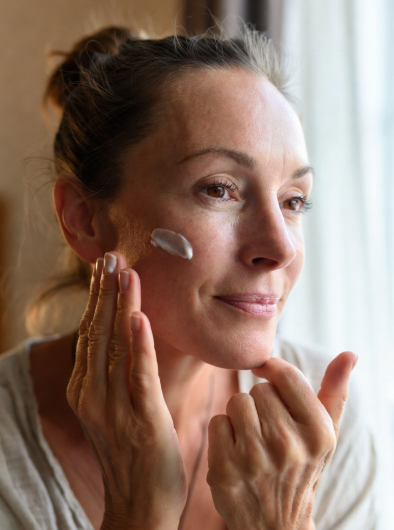
Try not to fixate on wrinkles or spots. Focus instead on keeping your skin clean, comfortable, and healthy. Drink plenty of water and eat fruits and vegetables—what you nourish your body with on the inside often shows on the outside.
Listen to Your Body
Your body speaks to you in subtle ways. Maybe you feel tired, bloated, or achy. Don’t ignore these signals—they’re your body’s way of asking for something it needs, whether that’s rest, more nourishing food, or gentle movement.

Try keeping a simple journal to track how you feel—your energy, mood, sleep, or digestion. Over time, patterns start to emerge, helping you better understand what your body needs.
Trust yourself. You know your body better than anyone else.
Protect Your Bones and Muscles
As you age, your bones and muscles need a little more care and attention. Weight-bearing movement—like walking, climbing stairs, or light strength training—helps keep bones strong, supports muscle mass, and reduces the risk of injury over time.
Calcium and vitamin D also play an important role. You can get them from foods like dairy and leafy greens, along with safe exposure to sunshine. If you’re unsure you’re getting enough, it’s worth talking with your doctor about supplements.
Strong bones support an active, independent life—and that’s something worth caring for.
Limit Alcohol and Caffeine
Too much alcohol or caffeine can disrupt sleep, affect hormones, and increase feelings of anxiety. It’s perfectly fine to enjoy a coffee or a glass of wine now and then—just be mindful of how much and how often.
Pay attention to how your body responds, and let that guide your choices.
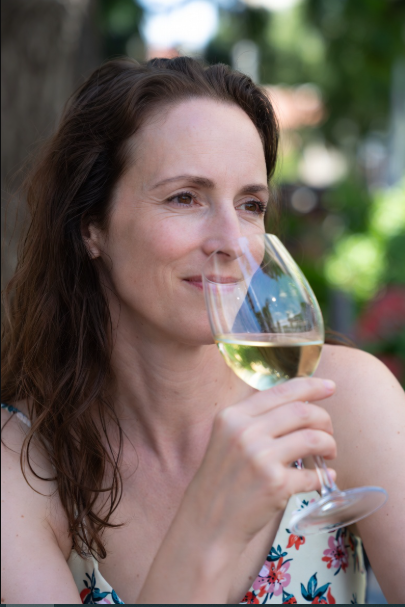
Instead, try herbal teas, water with lemon, or nourishing smoothies. These options are gentler on your body while helping you stay hydrated.
Small, thoughtful choices like these can help you feel clearer, calmer, and more balanced.
Keep Your Mind Active
Your brain needs care and stimulation too. Reading, doing puzzles, learning a new hobby, or playing games can help keep your mind sharp and engaged.
It’s never too late to learn something new—or to challenge your brain in ways that feel fun and rewarding.

Some women discover painting, knitting, or even online courses in their 40s and beyond. These creative and curious pursuits bring joy, build confidence, and keep the mind engaged.
A happy, stimulated mind supports a healthy body.
Go for Regular Health Checkups
Prevention really is better than cure. After 40, regular doctor visits become especially important. Routine checkups, blood work, mammograms, and screenings for heart health and bone density can help catch potential issues early—often before symptoms appear.
Staying proactive with your health gives you more peace of mind and more control as you move through this stage of life.

Don’t be afraid to ask questions. Your doctor is there to help you understand what your body needs and how to care for it well. Catching potential issues early can save you stress, worry, and time later—and help you feel more confident about your health choices.
Set Simple Goals
You don’t have to change everything at once. Start with one small goal each week—drink a little more water, take a daily walk, or go to bed earlier.
Small steps, taken consistently, lead to meaningful change over time.

Write your goals on a sticky note or in a planner. Celebrate when you reach them—no matter how small they seem. Those moments of acknowledgment build motivation and help you feel proud of your progress.
Wellness is a journey, not a race.
Surround Yourself with Positivity
What you see and hear every day has a real impact on your mood. Try filling your space with things that make you smile—music you love, a few plants, meaningful photos, or kind words where you can see them.
Your environment can quietly support your well-being more than you realize.

Limit exposure to constant negative news or people who drain your energy. Choose joy, kindness, and experiences that lift you up.
A positive environment helps your nervous system feel safe—and that sense of safety supports feeling happier, healthier, and more well overall.
You Deserve to Feel Good!
Wellness after 40 isn’t about being perfect. It’s about feeling good—inside and out. With a few simple, supportive habits, you can nourish your health, protect your energy, and rebuild confidence in a way that feels realistic and kind.
Remember, it’s never too late to start. One small change today can create meaningful benefits tomorrow. Be gentle with yourself, stay curious, and allow this season of caring for you to be something you truly enjoy.