
How to Stop Excessive Dog Barking Without Yelling or Punishment

Dogs bark. That’s just how they communicate. It’s normal. But when the barking gets out of control, yeah… that’s when things get stressful. For you. Your family. And let’s be honest, the neighbors too. 😅
If your dog won’t stop barking, you’re not failing as a pet parent. A lot of dog owners deal with this. Excessive dog barking is one of the most common dog behavior problems out there. The good news? You can fix it. And you don’t need to spend crazy money on a dog trainer right away.
In this guide, we’ll break down why dogs bark so much. You’ll learn how to read your dog’s behavior better. We’ll also share simple dog training tips that actually work. No complicated stuff. No harsh methods. Just smart, positive dog training techniques to help reduce barking fast.
If you’re looking for real dog barking solutions, or safe ways to stop dog barking at home, you’re in the right place. Let’s get into it. 🐶
Why Do Dogs Bark?
Dogs bark for a bunch of reasons. It’s their main way of talking. They bark when they’re happy. When they’re scared. When they’re bored. Or when they want attention. Kind of like a baby crying. It always means something.
Sometimes, excessive dog barking happens because they hear a sound. A car. A door. Another dog outside. Other times, it’s dog separation anxiety or plain boredom. Some dogs bark because they’re lonely or need food, water, or a walk.
Figuring out why your dog is barking is the first step in dog behavior training.
Understand the Type of Barking
Not all barking is the same. And this part really matters.
A dog barking at strangers is different from a dog barking for attention. Barking when left alone is also different. That’s usually anxiety barking.
Listen closely. Over time, you’ll hear patterns.
Like this—my friend’s dog Max goes wild when he sees another dog. Loud. Fast. Non-stop. But when he wants to go outside, it’s just one short bark. Soft and quick.
Once you understand the type of barking, finding the right dog barking solution gets way easier.
Don’t Yell at Your Dog
Yeah, barking can drive you nuts. Totally get it. But yelling won’t fix it. It usually makes things worse. Your dog might think you’re barking back. 😬

Dogs don’t understand shouting. It adds stress. And stressed dogs bark more.
Instead, stay calm. Use a firm but quiet voice. Say “Quiet” or “Enough.” Pick one word and stick to it. Consistency matters a lot in dog obedience training.
Use Treats and Praise
Positive reinforcement works. Big time.
Dogs love treats. And praise. Use both.

When your dog stops barking—even for a few seconds—reward it. Say “Good quiet!” and give a treat. This teaches your dog that being calm gets rewards.
Example: Your dog barks when the doorbell rings. Wait for silence. Even a short pause. Then reward. Do this again and again. Over time, your dog will bark less and listen more. That’s how positive dog training works.
Give Your Dog Enough Exercise
This one is huge. A tired dog is a quiet dog.
Dogs with too much energy bark more. Simple as that.
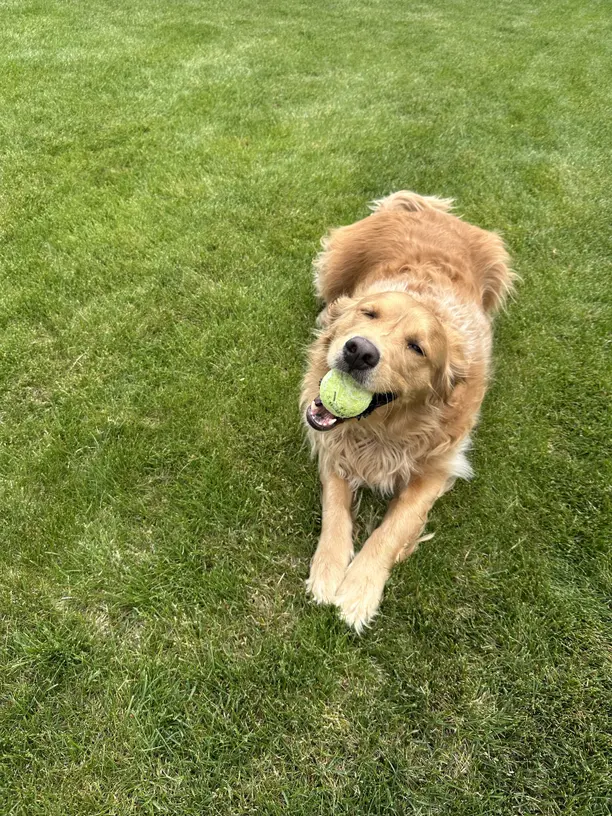
Daily walks help. Playing fetch helps. Tug-of-war helps. Let your dog run safely if you can. Physical activity and mental stimulation are key for reducing dog barking.
Think about it—if you were stuck at home all day with nothing to do, you’d get restless too. Dogs feel the same way. Exercise keeps them calm, happy, and way less noisy. 🐕
Stop Boredom Barking
Dogs get bored. Just like us. When they’ve got nothing to do, barking becomes entertainment. Yep, boredom barking is real.
Dog toys help a lot here. Chew toys. Puzzle toys. Treat-dispensing toys. These give mental stimulation and keep your dog busy.
Quick story. My neighbor’s dog barked all day while they were at work. Non-stop. They tried a puzzle toy filled with peanut butter. Boom. Barking dropped fast. The dog was busy. Calm. Happy. Sometimes it’s that simple.
Don’t Leave Your Dog Alone for Too Long
Some dogs bark because they hate being alone. That’s separation anxiety in dogs. It’s super common.
If your dog is alone for long hours, try to break that time up. Come home at lunch if you can. Ask a friend or dog walker to stop by.

You can also leave something that smells like you. An old shirt works great.
Leaving the TV or radio on helps too. Soft background noise makes dogs feel less alone. Over time, this can really reduce anxiety barking.
Use a Quiet Time Command
Teaching a “quiet” command is a game changer.
Start in a calm space. No distractions. When your dog barks, wait. The moment they stop—even for one second—say “Quiet” and give a treat.
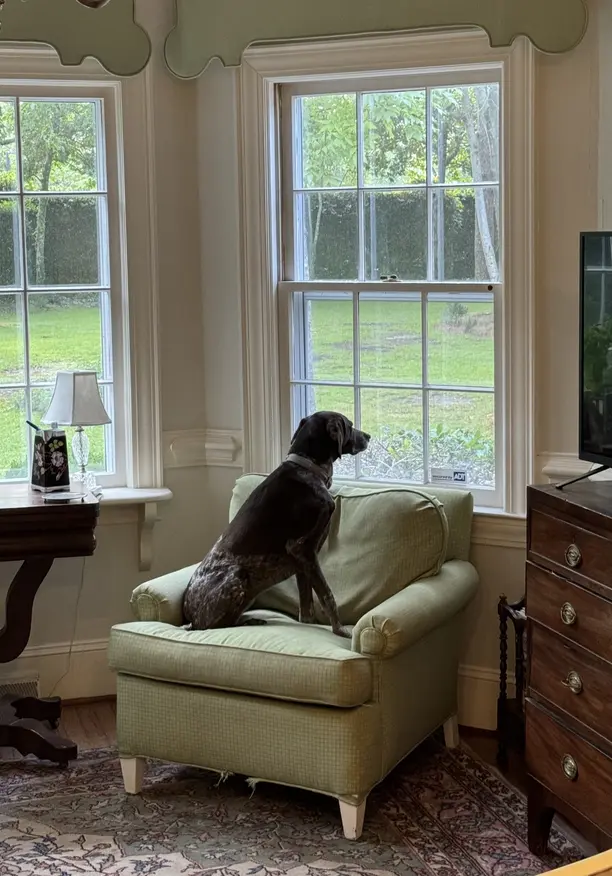
Do this again. And again. Daily practice matters in dog obedience training.
Be patient. This isn’t magic. But it works. Your dog will start connecting the word “Quiet” with rewards and calm behavior.
Don’t Reward Bad Behavior
This part is sneaky. A lot of owners do this without realizing it.
If your dog barks for a toy and you give it… congrats, you just trained your dog to bark more.
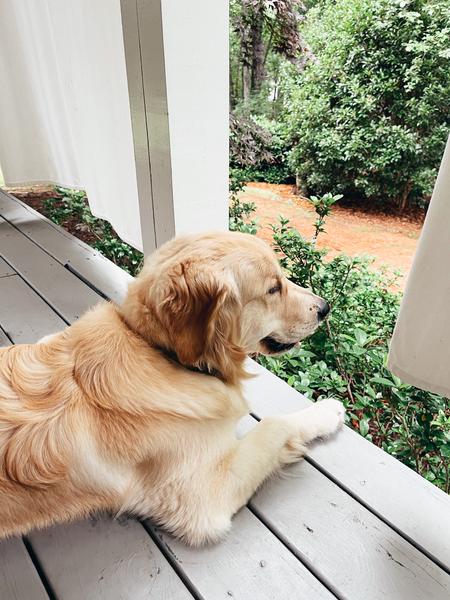
Dogs learn fast. Barking = reward? They’ll repeat it.
Instead, wait for silence. Then give the toy. This teaches calm behavior gets results. Consistency is everything in dog behavior correction.
Use White Noise or Music
If your dog barks at every sound outside, white noise can help a lot.
Soft music. A fan. A white noise machine. These block out triggers like cars, people, or birds.
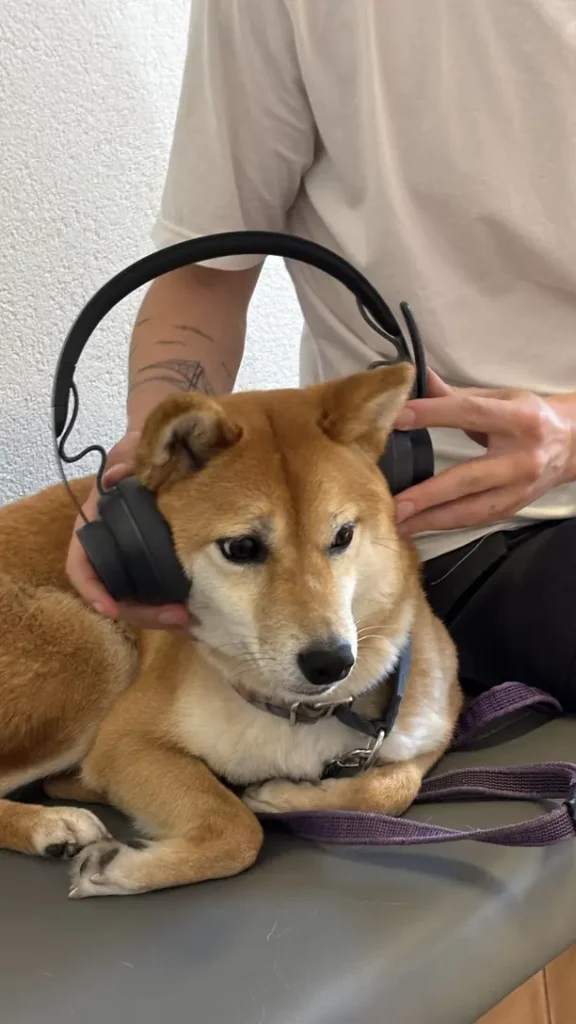
My aunt had a dog that barked at birds every single morning. She started playing calming music at home. Barking dropped. The dog slept more. Less stress all around.
Small changes like this can seriously help stop dog barking without punishment.
Block the View
Does your dog bark at every person walking past the window? Yeah, that’s super common. Dogs love to play security guard.
Try blocking the view. Close the curtains. Use frosted window film. Or add a baby gate to keep your dog away from that spot.
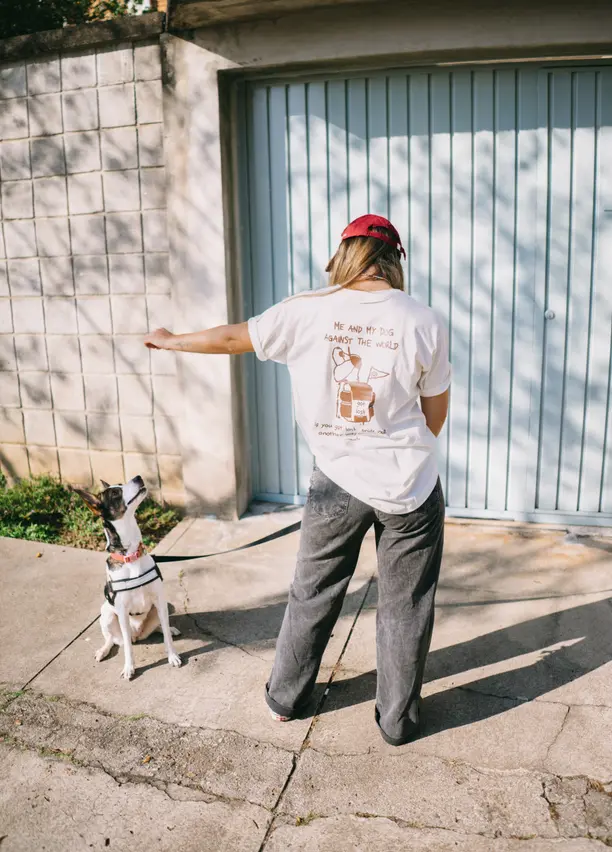
When dogs can’t see the trigger, they usually stop barking. Simple fix. Out of sight, out of mind works really well for window barking and territorial barking.
Socialize Your Dog
Some dogs bark because they’re nervous. New people. New dogs. New places. It all feels scary.
That’s where dog socialization helps a lot.
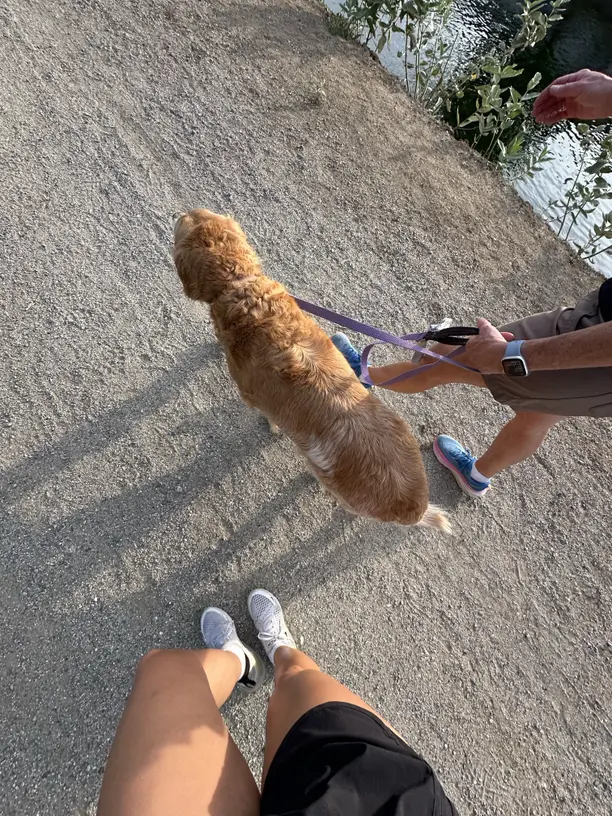
Take your dog to the park. Let them meet calm dogs. Friendly people too. Go slow. No rushing. Keep things positive.
As your dog builds confidence, fear-based barking starts to fade. Less stress. Less noise.
Be Consistent
This part is huge. And most people mess it up without knowing.
You can’t let your dog bark today and correct it tomorrow. Dogs need clear rules. Same rules. Every day.

Everyone in the house should follow the same dog training routine.
If one person allows barking at the door and another doesn’t, your dog gets confused. Clear, simple, consistent training works best.
Avoid Shock Collars
Shock collars and harsh anti-barking devices might seem like a quick fix. But they often make things worse.
They can cause fear. Anxiety. Even aggression.

Positive reinforcement dog training is safer and works long-term. Training takes time, yeah. But it builds trust instead of fear. And that matters.
Imagine getting shocked for talking too loud. Doesn’t feel right. Dogs feel the same way.
When to Talk to a Trainer
If you’ve tried everything and your dog still won’t stop barking, it’s okay to ask for help.
A professional dog trainer or dog behaviorist can spot things you might miss.
They’ll watch your dog. Figure out the real cause. Then build a custom training plan.
A lot of trainers even offer online dog training now. Easy and affordable.
Keep a Barking Diary
This sounds silly, but it works.
Write down when your dog barks. The time. What was happening. How long it lasted.
After a few days, patterns show up.
Maybe your dog barks at the mail carrier every morning. Or during a certain noise. Once you know the trigger, fixing excessive dog barking gets way easier.
Small notes. Big results.
Celebrate Progress
Your dog won’t stop barking overnight. That’s just real life. Dog training takes time.
But small wins matter. Big time.
If your dog used to bark for 30 minutes straight and now only barks for 10? That’s progress. That means your dog is learning. And you’re doing something right.
Give your dog praise. Give yourself credit too. Reducing excessive dog barking is a process, not a switch. Keep going. Those small changes add up faster than you think.
Final Thoughts
Barking is normal dog behavior. Dogs bark to communicate. But nonstop barking can be stressful. For you. For your family. Even for your neighbors.
The good news? You can fix it. With patience. With consistency. And with positive dog training methods that actually work.
Your dog isn’t being bad. They’re not trying to annoy you. They just don’t understand yet.
Teach them calmly. Reward the good moments. Stay kind.
You’re not just your dog’s owner. You’re their trainer. Their guide. Their best friend. And with time, your home can be quieter, calmer, and way more peaceful 🐾