
Foods to Avoid After 60

As we age, our nutritional needs change, and it’s important to choose foods that support our health. After 60, some foods can contribute to chronic conditions and digestive issues.
Processed foods and sugary treats should be limited, as they can lead to heart disease, weight gain, and blood sugar spikes. Fried foods also add unnecessary calories and unhealthy fats that can cause inflammation.

Red meat can be hard on digestion and is linked to increased health risks. Dairy may become difficult to digest, and alcohol can interfere with medications and sleep patterns.
well! We are going to discuss further.
Sugary Cereals
Sugary cereals may seem like a convenient breakfast option, but they come with a lot of drawbacks. Despite their appeal with colorful packaging and sweet flavors, these cereals are often loaded with refined sugars and have very little nutritional value.

Consuming sugary cereals regularly can lead to weight gain due to their high calorie content and low satiety. The sugar content can also cause blood sugar spikes, which may leave you feeling tired and sluggish shortly after eating. Over time, this can increase the risk of developing insulin resistance and diabetes.
For a healthier breakfast, opt for whole grains like oatmeal or whole wheat cereals, which provide more fiber, vitamins, and minerals to fuel your day. This will help stabilize blood sugar levels and contribute to long-term health.
Vegetable Oils
Heart health is crucial as we age, and one way to protect it is by avoiding vegetable oils. These oils often contain high levels of omega-6 fatty acids, which can contribute to inflammation and increase the risk of heart disease.
Common oils like soybean, corn, and sunflower oil are particularly high in omega-6. To support heart health, it’s better to opt for healthier fats like olive or avocado oil.

But don’t worry, there are plenty of healthy alternatives to vegetable oils. Avocado and olive oils are excellent choices to look for when shopping.
Deli Meats
A fresh sandwich can be one of the tastiest lunches, but it’s best to skip the deli meats. While they offer some protein, the high levels of sodium, unhealthy fats, and preservatives make them a poor choice for your health.
Deli meats may seem convenient, but the health risks outweigh the benefits. The additives and preservatives in these meats can increase the risk of heart disease and other health issues, making them far from ideal.

Unfortunately, deli meats often contain nitrates, which have been linked to certain cancers. For a healthier sandwich, opt for fresh, lean meats like fish or chicken, or try a plant-based alternative.
High-Sodium Canned Soups
High-sodium canned soups are a common convenience food, but they come with some serious health risks. The sodium content in these soups is often extremely high, as it’s used as a preservative to extend shelf life. Unfortunately, consuming too much sodium can raise blood pressure, which increases the risk of heart disease and stroke over time.
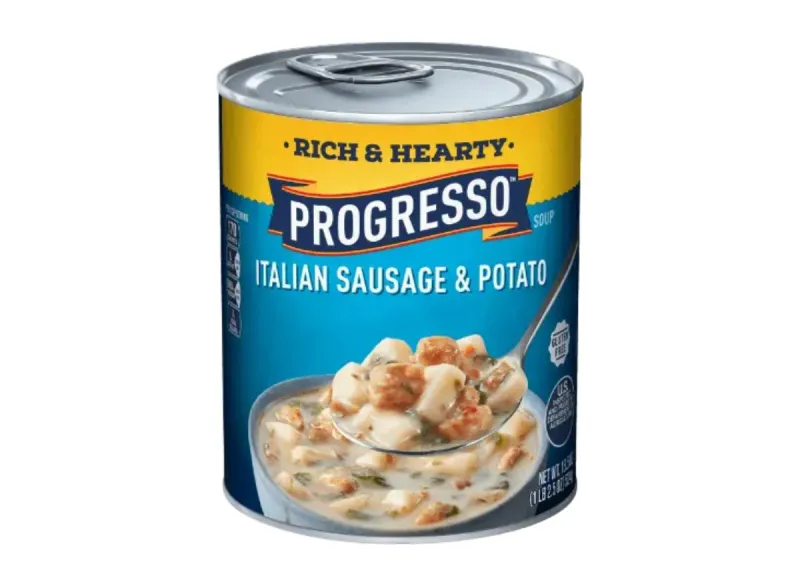
The excess sodium in canned soups can also cause fluid retention, making it harder for your body to regulate blood pressure and leading to swelling and discomfort. For those over 60, managing sodium intake is especially important to prevent complications like hypertension and kidney disease.
A healthier alternative is to make your own soups at home, where you can control the amount of salt and add plenty of fresh vegetables for added nutrients. If you do opt for canned soup, look for low-sodium versions to help maintain better heart and kidney health.
Grapefruit
It might come as a surprise, but grapefruit can be problematic, especially if you’re taking medication. While fruit is generally healthy, grapefruit contains compounds that can interfere with the enzymes that break down your medicine.
This can lead to higher levels of medication in your bloodstream, potentially causing harmful side effects. If you’re on medication, it’s a good idea to check with your doctor before consuming grapefruit.
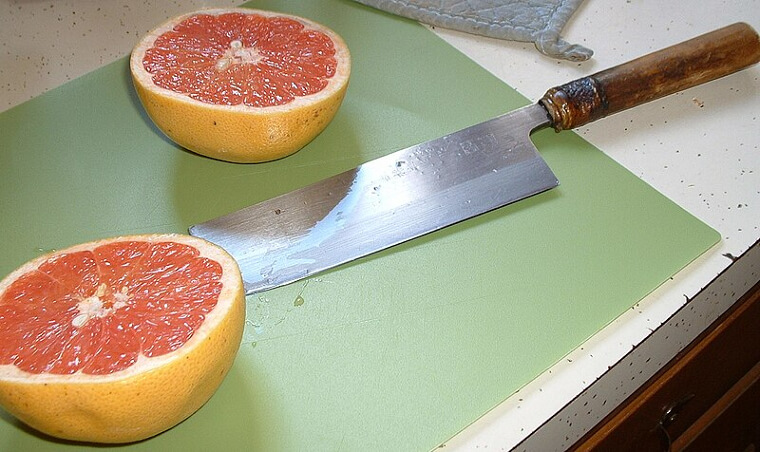
If you’re on medication, it’s best to consult your doctor to see if grapefruit could affect it. If it does, you can easily swap it for other citrus fruits that won’t interfere with your medication.
Heavy Creams
Heavy cream is often the secret ingredient in many delicious meals, from sauces to desserts. While it adds rich flavor, it’s also high in saturated fats, which can raise cholesterol and increase the risk of heart disease.
Instead of reaching for heavy cream, consider healthier alternatives like half-and-half, low-fat options, or plant-based substitutes. These alternatives can provide the same creamy texture without the added health risks.

When it comes to your health, choosing low-fat options is always a smart choice. Not only will they improve your cardiovascular health, but you’ll likely notice no difference in taste either.
Soda
It’s no secret that soda is bad for our health, and it’s especially risky for those over 60. While harmful at any age, its effects become more pronounced as we age.
Sodas are packed with added sugars and empty calories, which can lead to obesity, diabetes, and heart disease. Drinking too much sugar can also raise blood sugar levels and put extra strain on the cardiovascular system.
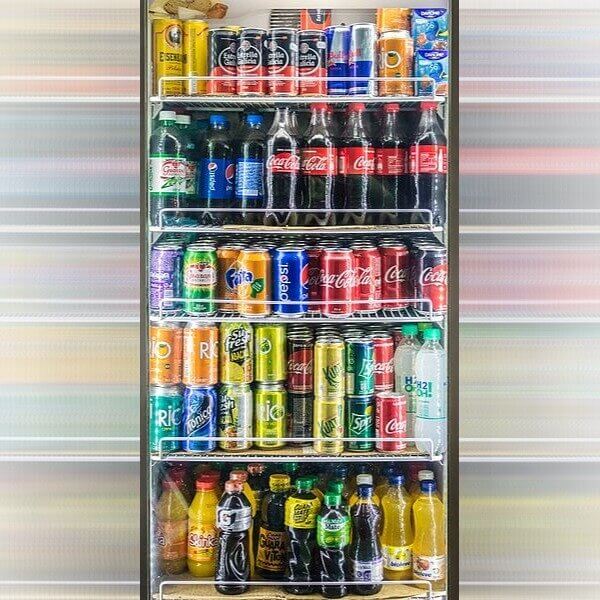
To avoid these health issues, it’s best to steer clear of sodas or limit your intake. Healthier alternatives like water, herbal teas, and fresh fruit juices can satisfy your thirst without the added risks.
Energy Bars
When you’re in a rush and need a quick snack, energy bars might seem like a convenient option. They’re often marketed as a nutritious on-the-go choice, but that doesn’t mean they’re always healthy.
Many commercial energy bars are loaded with added sugars, unhealthy fats, and artificial ingredients that can negatively impact your health. While they may fill you up, they often do more harm than good in the long run.

Luckily, there are healthier energy bar options available. A handful of nuts or a homemade energy bar can be much better choices, providing natural nutrients without the added sugars and artificial ingredients.
Cereal
Cereal is a quick and easy breakfast option, but it’s not always the healthiest choice. Many cereals are loaded with sugar, often containing as much as some desserts, which limits their nutritional value.
If you do choose cereal, look for ones made with whole grains and minimal added sugars. These options will provide more nutritional benefits and help start your day off on a healthier note.
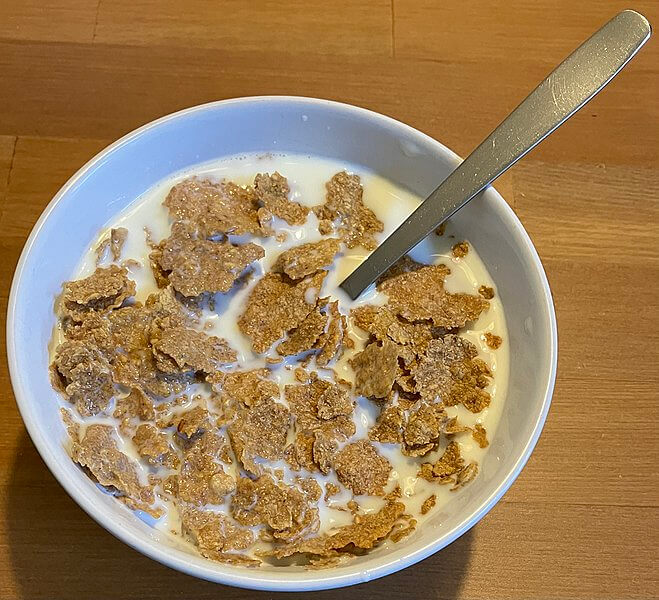
Choosing a healthier, more nutritious breakfast sets a positive tone for your day. It not only helps you feel better now but also provides long-term health benefits.
Processed Cheese
The rule of thumb is to always choose the more natural version of a food, and processed cheese definitely doesn’t fit that category. If you’re using processed cheese like American cheese slices or pre-shredded cheese, it’s time to cut them out.
Processed cheeses are loaded with high levels of sodium, unhealthy fats, and artificial additives, which can harm your health. To take better care of your body, it’s best to avoid processed cheese altogether.
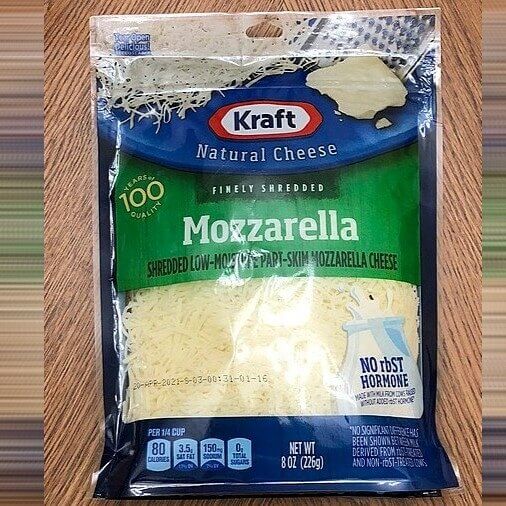
Instead, opt for unprocessed, natural cheeses like brie, cheddar, and parmesan. While cheese slices and pre-grated options may be convenient, they aren’t the healthiest choice for your body.
Pork
For those a little older, eating pork can present health risks due to its high fat content and potential for foodborne illnesses. Once you hit your 60s, it’s best to limit pork consumption.
To reduce these risks, try to avoid pork altogether. If you do choose to eat it, stick to lean cuts and ensure it’s cooked thoroughly to minimize any health concerns.

In addition to limiting pork, it’s important to balance your diet with a variety of other protein sources. Fish, poultry, and plant-based alternatives are great options to support your overall health and well-being.
Raw Eggs
While eating raw foods is risky for everyone, it becomes especially important to avoid raw eggs after the age of 60. Salmonella is found in about one in every 20,000 eggs, and while the odds may seem low, it’s better to be cautious.
To stay safe, it’s recommended to avoid consuming raw eggs altogether. Taking this extra precaution helps protect your health and reduces the risk of foodborne illnesses.

Yep, that means skipping the quick taste of cookie dough before it goes in the oven too. It’s better to be safe than sorry, as no one wants to deal with the unpleasant effects of salmonella.
White Chocolate
Many people praise dark chocolate for being a healthier alternative to regular chocolate, but white chocolate is a different story. Unlike dark chocolate, white chocolate contains no cacao solids and is high in unhealthy fats and sugar.
The combination of these ingredients can lead to health issues like weight gain, diabetes, and other metabolic problems. It’s best to limit your consumption of white chocolate to maintain a healthier diet.

If you’re craving chocolate, choose options with higher cacao content. These provide antioxidants and other health benefits, so keep your chocolate indulgence as dark as possible for a healthier choice.
Frozen Meals
Let’s face it, frozen meals are convenient—minimal effort with little prep required, making them perfect for a quick meal. But unfortunately, the convenience comes with some significant health drawbacks.
Frozen meals are often high in sodium, unhealthy fats, and preservatives, all of which can contribute to issues like hypertension, heart disease, and high blood pressure. While easy, they aren’t the best choice for your long-term health.

Frozen meals do more harm than good in the long run. While they can be a convenient treat occasionally, it’s better to focus on fresh, whole foods.
It may take a bit more effort, but preparing meals yourself ensures better nutrition and fewer unhealthy additives. The extra time spent on fresh ingredients is well worth it for your health.
Hard Foods
As we age, our bodies become more fragile, and our teeth and digestive systems become more sensitive. To protect them, you may need to adjust your food choices.
One of the key things to avoid is hard, tough foods like candy, tough meats, and raw vegetables. These can be difficult to chew, increasing the risk of choking and dental damage.
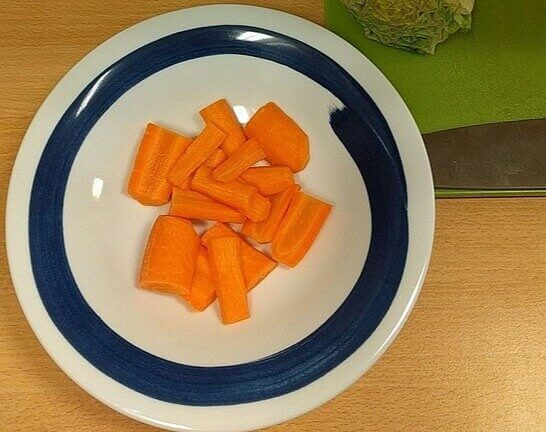
Switching to softer foods is a way of being kinder to your body as it becomes more fragile. By cutting down on hard foods, you’ll help protect your teeth and digestive system, and your body will thank you for it.
Vegetable Shortening
Have you ever wondered how pre-packaged pastries stay fresh on store shelves for so long? The secret is vegetable shortening, which manufacturers use to extend the shelf life of their products.
While it keeps pastries fresh, vegetable shortening makes these treats much worse for your health. It contains hydrogenated oils, which can raise bad cholesterol and lower good cholesterol, making them a less healthy choice than fresh alternatives.
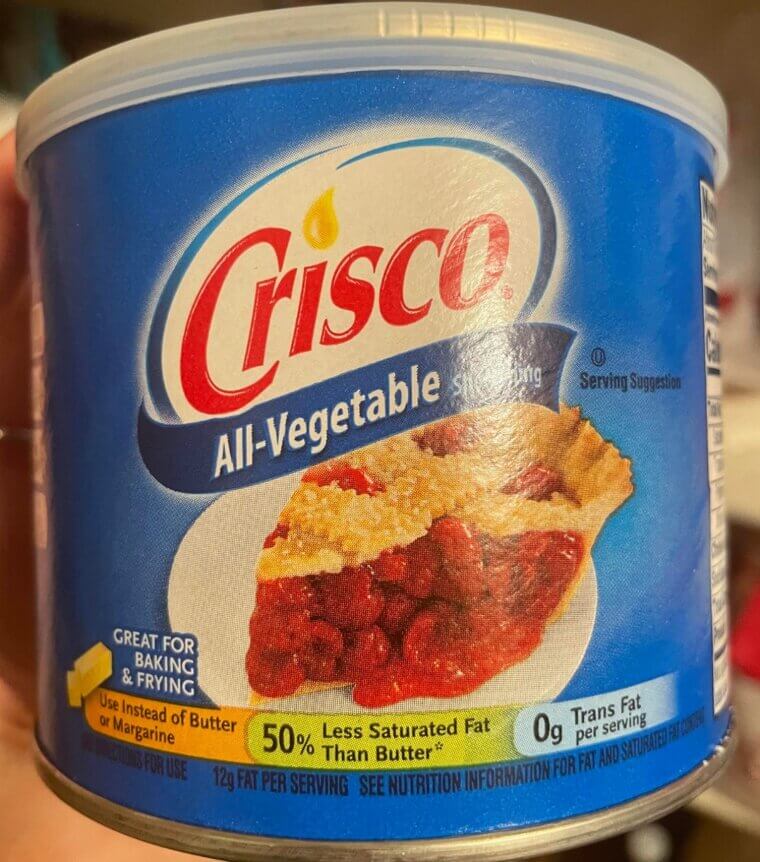
If you’re craving a pastry or cake as an occasional treat, it’s better to buy something fresh from a bakery. This simple switch can help improve your cardiovascular health by avoiding the harmful hydrogenated oils found in pre-packaged options.
High Sodium Snacks
If you’re craving something salty, it might be tempting to grab a bag of chips or crunchy pretzels. However, the one thing that makes them so tasty—sodium—is also what makes them unhealthy.
This is especially true if you’re over 60. These snacks are loaded with high levels of sodium, and as we’ve learned, too much sodium can have serious consequences for your health, including raising blood pressure and increasing the risk of heart disease.

Sodium can put a strain on your cardiovascular system, leading to fluid retention and contributing to elevated blood pressure, heart disease, and kidney issues.
Instead of salty snacks, it’s better to choose healthier options like nuts, fruits, or other whole foods to support your overall health and avoid these risks.
Energy Drinks
We all crave a quick energy boost when we’re feeling tired, and energy drinks may seem like the perfect solution. However, store-bought energy drinks often contain high levels of caffeine, sugar, and artificial ingredients, which can lead to health issues like inflammation, increased heart rate, and hypertension.
These risks become even more concerning as we age. Instead of reaching for an energy drink, consider healthier alternatives for your caffeine fix, like green tea or a natural coffee blend, to give you the boost without the added health risks.
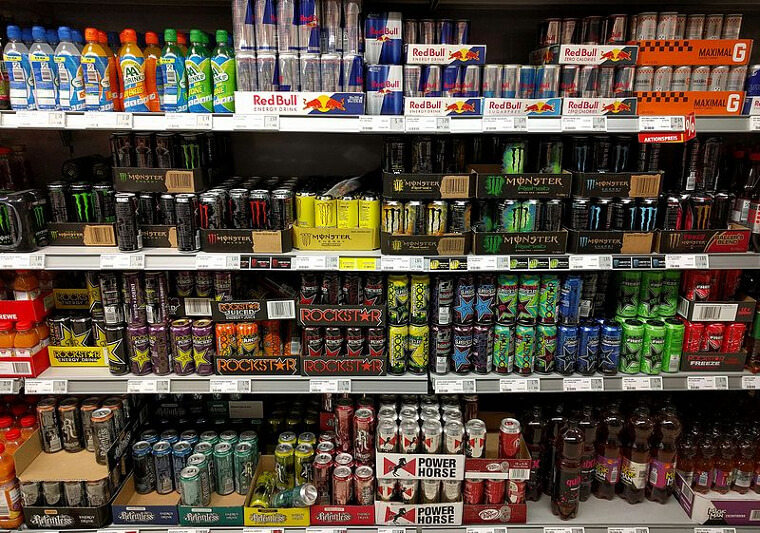
Why not try green tea for a natural energy boost, along with a host of other health benefits? Unlike energy drinks, which may give you a quick buzz but leave you feeling tired shortly after, green tea offers sustained energy without the crash—definitely a much better option!
Pastries on a Daily Basis
Pastries are a delightful treat to enjoy with your morning tea or coffee, but they’re best kept as an occasional indulgence. Packed with refined sugars, unhealthy fats, and empty calories, these sweet treats aren’t great for your health.
They can contribute to weight gain, diabetes, and heart disease, as well as spike your blood glucose and increase cholesterol levels. It’s important to limit your intake to avoid these health risks.

Pastries may not be the best choice for those prone to health issues like weight gain, diabetes, or heart disease. As with many other foods, it’s wiser to stick to healthier options that support your overall well-being.
Instant Noodles
A cup of noodles may be tempting for a quick lunch, but it shouldn’t be your go-to option. With an excessive amount of sodium in just one serving, it’s not worth the quick fix.
In addition to the high sodium content, these noodles also contain unhealthy fats, preservatives, and offer very little nutritional value. It’s better to leave these on the shelf and choose healthier alternatives instead.
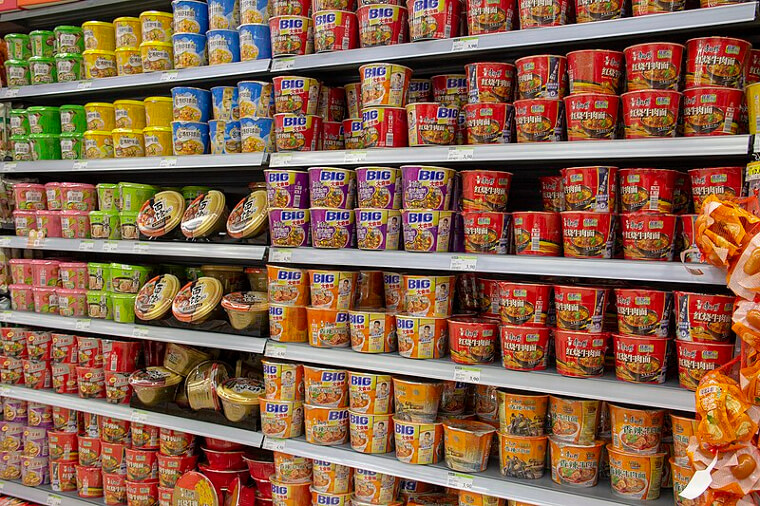
To avoid these health issues, it’s best to skip the instant noodles altogether. Instead, take a little extra time to prepare a healthier alternative that’s more nourishing for your body.
Canned Soup
Soup is one of the most comforting foods, especially when you’re feeling cold or under the weather. However, canned soups often aren’t as beneficial as they seem, packed with sodium, preservatives, and unhealthy fats.
These additives can contribute to hypertension, heart disease, and other serious health problems. It’s better to opt for homemade soups or check labels carefully to avoid those harmful ingredients.
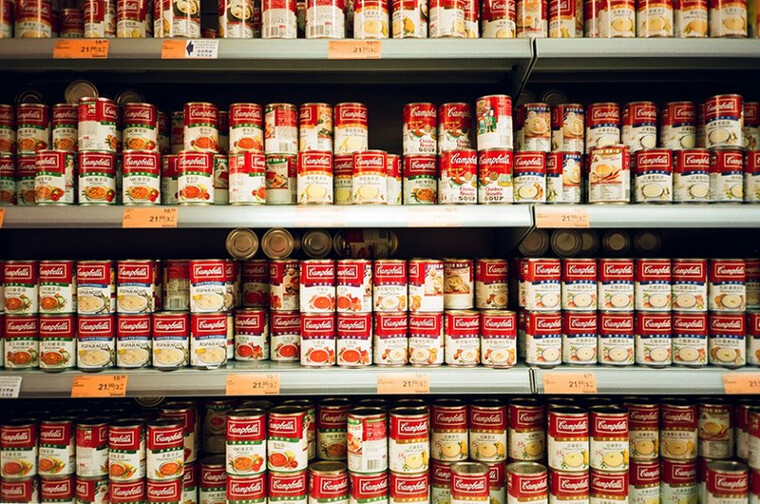
If you’re craving soup to soothe your soul, homemade options are the way to go. By making it yourself, you have full control over the ingredients, allowing you to avoid harmful additives and keep your heart health in check.
Pre-Packaged Baked Goods
Hey, we get it—sugar cravings are real, and sometimes a sweet treat is exactly what you need. While grabbing baked goods from the store or a bakery may be convenient, it’s important to be cautious.
These pre-packaged treats are often loaded with refined sugars, unhealthy fats, and preservatives, which can contribute to common health issues. It’s best to limit these sweet indulgences to take better care of your health.

These treats can contribute to weight gain, diabetes, and heart disease, while trans fats and added sugars can raise cholesterol levels and cause inflammation. Instead, why not opt for a homemade option, where you can control the ingredients and make healthier choices?
Margarine
Most foods are better in moderation, and that includes margarine. While it’s often used as a substitute for butter, it’s not the healthiest option, especially after the age of 60.
Margarine contains high levels of trans fats and saturated fats, which can raise bad cholesterol and lower good cholesterol. These effects can increase the risk of heart disease, so it’s best to cut margarine out of your diet altogether.
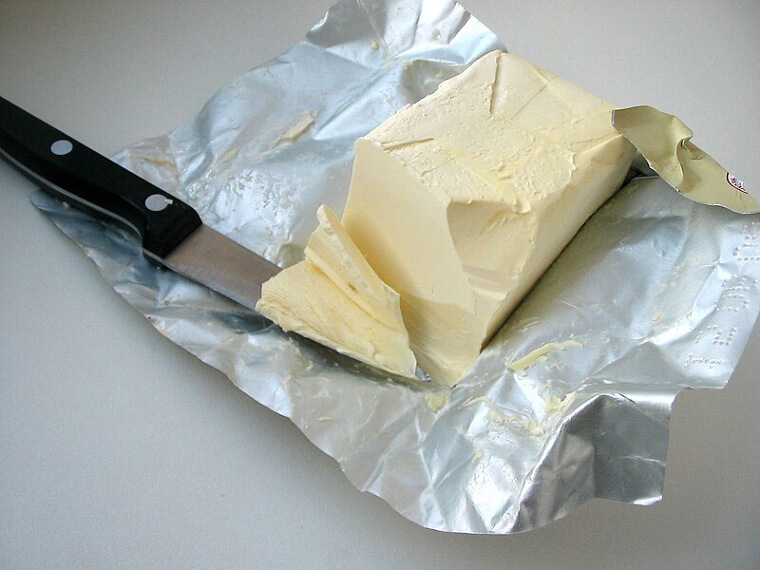
The best advice is to avoid margarine altogether. Instead, opt for real butter in moderation or healthier oils, which are much better for your overall health.
Diet Soda
We’ve already learned that soda is harmful to your health, regardless of your age, so you might think diet soda is a healthier alternative. However, that’s not the case.
Diet sodas contain artificial sweeteners that can disrupt your metabolism. These sweeteners are linked to obesity, diabetes, and heart disease, and some studies even suggest they can affect gut health and increase sugar cravings.

It’s best to avoid sodas altogether, including diet versions. Fortunately, there are plenty of healthier alternatives, like water, herbal teas, or flavored water, that can help you stay hydrated and maintain your health.
Canned Fruit
Canned fruit can be tempting with its sweetness and juiciness, but is it really worth it? The sweetness often comes from added sugary syrups, which contain excessive amounts of sugar.
Consuming too much canned fruit can lead to weight gain, high blood sugar levels, and other metabolic issues. The added sugars in the syrup are the culprit, so it’s better to stick to fresh fruit whenever possible.
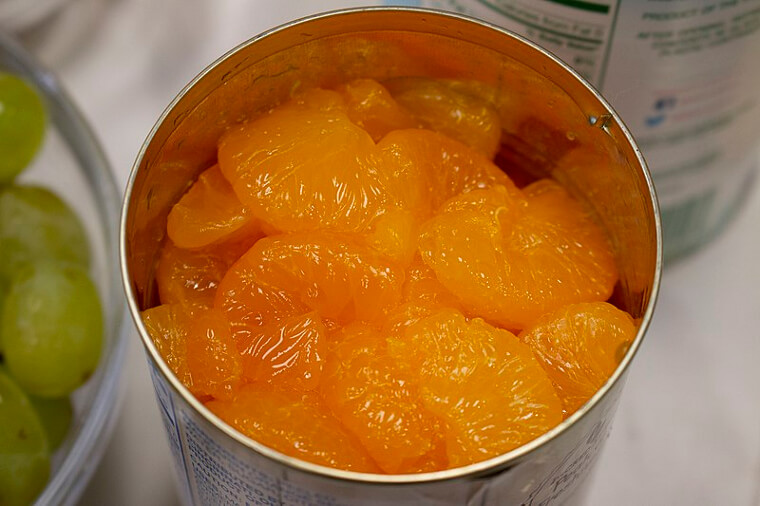
Fresh fruit is definitely the best option for your health. However, if you do prefer canned fruit, choose varieties stored in water or their own juice rather than syrup to avoid the added sugars.
Microwave Rice
Microwave rice is incredibly convenient, saving you time compared to cooking rice on the stove. However, that convenience comes with some significant downsides.
Microwave rice often contains a lot of chemicals and excessive sodium, surpassing the recommended daily intake. This can contribute to hypertension and other health problems, making it better to choose fresh or minimally processed rice whenever possible.
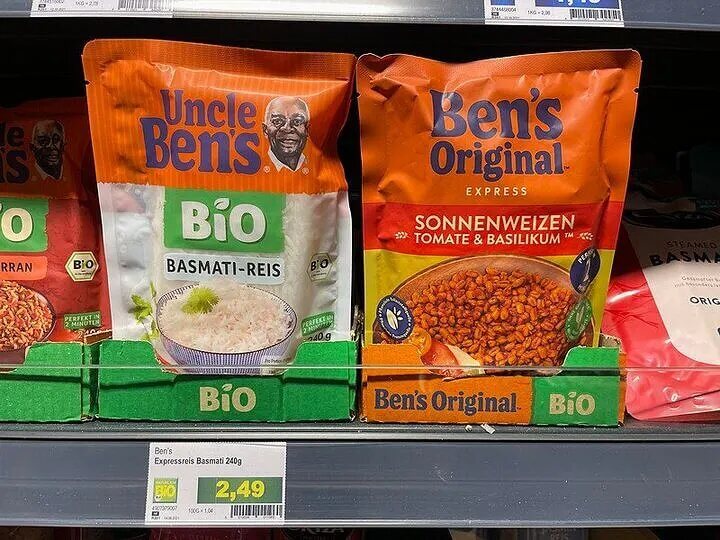
Making rice yourself might seem boring and time-consuming, but it’s much healthier. If you’re looking to save time and effort, investing in a rice cooker could be a great option for you! It cooks rice quickly and efficiently, without the added chemicals and sodium of microwave varieties.
Instant Oatmeal
Oatmeal is a great breakfast choice, providing essential nutrients to start your day off right. However, it’s important to avoid instant oatmeal.
Instant oatmeal often contains harmful additives, including artificial flavors and sweeteners. These can lead to weight gain, blood sugar spikes, and other health issues, so it’s better to opt for plain, whole oats whenever possible.
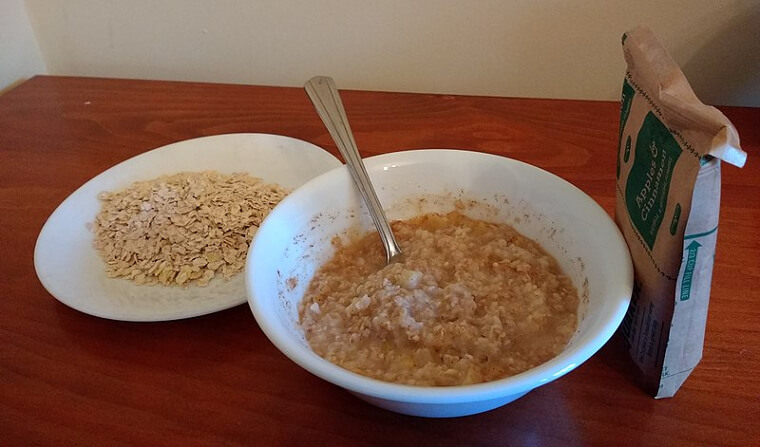
To support your overall health, choose plain, whole oats for your oatmeal. For added flavor, try incorporating natural ingredients like nuts, spices, honey, or fresh fruit instead of relying on sugary additives.
Popcorn
There’s nothing quite like a bowl of buttery, salty popcorn while watching a movie, but unfortunately, it’s not the healthiest choice. Buttered popcorn is loaded with saturated fats and excessive salt, both of which can contribute to heart disease and hypertension.
Making homemade popcorn is a much better option, as it allows you to control the amount of butter and salt, if any, that you add. This way, you can enjoy a healthier snack without sacrificing flavor.

Alternatively, you can opt for air-popped popcorn, which is much healthier than the chemical-laden pre-packaged varieties. For added flavor, try sprinkling herbs or nutritional yeast on top for a tasty and nutritious twist.
Artificial Sweeteners
This might sound confusing at first, but artificial sweeteners, which were originally created to reduce sugar intake, can actually be just as harmful, if not more. They can disrupt our metabolism and are linked to increased risks of obesity, diabetes, and heart disease.
Some studies also suggest that artificial sweeteners may negatively impact gut health and affect insulin sensitivity. Despite being calorie-free, they come with hidden health risks that can affect your body in ways you might not expect.
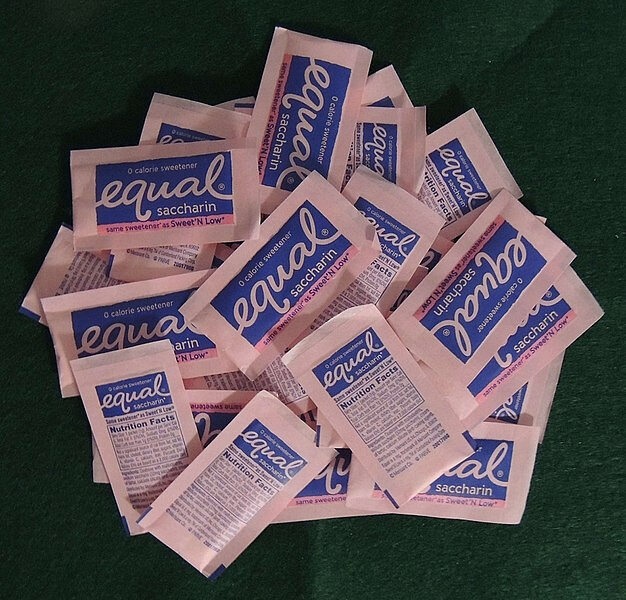
If you still enjoy adding a little sweetness to your drinks, there are healthier alternatives to consider. Honey, maple syrup, or stevia can provide a natural, flavorful sweetness without the risks associated with artificial sweeteners.
Store-Bought Salad Dressing
Salads are one of the healthiest and most nutritious meals you can have. However, when you add store-bought salad dressing, it can quickly turn into an unhealthy option.
Store-bought dressings are often packed with added sugars, preservatives, and unhealthy fats. These ingredients can undermine the health benefits of the fresh greens and other nutritious toppings in your salad.
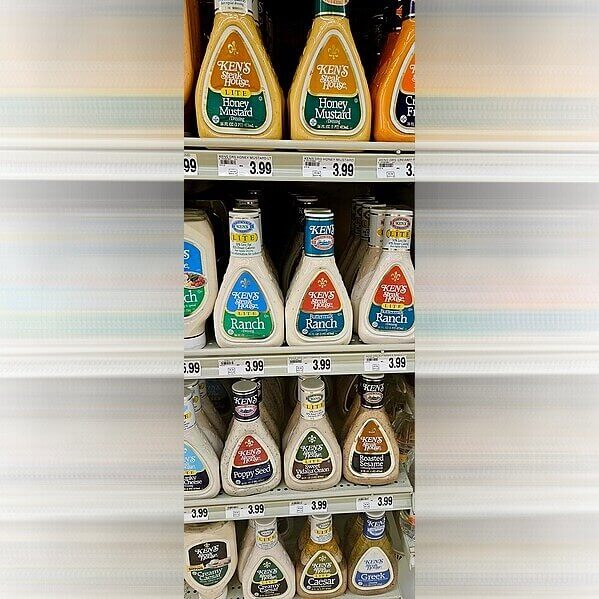
You’re much better off making your own salad dressing from scratch. This way, you have full control over what goes into it, allowing you to avoid unhealthy ingredients and ensure it’s as nutritious as your salad.
Processed Meat
Of course, a breakfast feels incomplete without bacon or sausages, but dietitians recommend avoiding processed meats, especially after 60. Like deli meat, these options are high in sodium, unhealthy fats, and preservatives.
These ingredients can increase the risk of hypertension, heart disease, and certain cancers. While the convenience and taste make them tempting, it’s better to skip them for your long-term health.
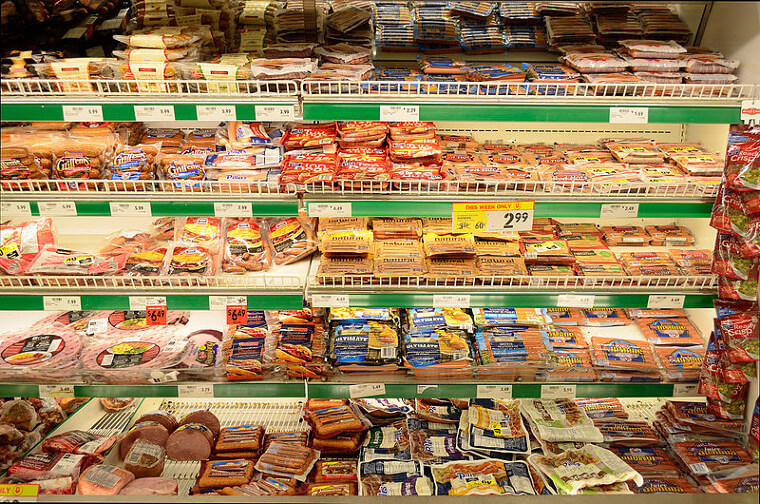
In addition, the nitrates used in processing meat are linked to various health issues. Overall, it’s best to steer clear of these processed meats to protect your health.
Candy
It’s no surprise that candy made the list. While it’s hard to resist a sweet craving, candy is clearly bad for your health.
Candy offers little to no nutritional value and is loaded with refined sugars and empty calories. These can lead to weight gain, diabetes, heart disease, and increase the risk of blood sugar spikes and metabolic disorders.

When it comes to satisfying your sweet tooth, there are healthier alternatives to choose from. Dark chocolate or fresh fruit can be great options to indulge in while still supporting your health.
White Bread
Sandwiches can make a perfect lunch, but it all depends on the ingredients you choose. The type of bread you use is a key factor, and unfortunately, white bread isn’t the best choice.
White bread is made from refined flour, which lacks the fiber and essential nutrients found in whole grains. Regularly consuming white bread can lead to blood sugar spikes, weight gain, and an increased risk of diabetes.
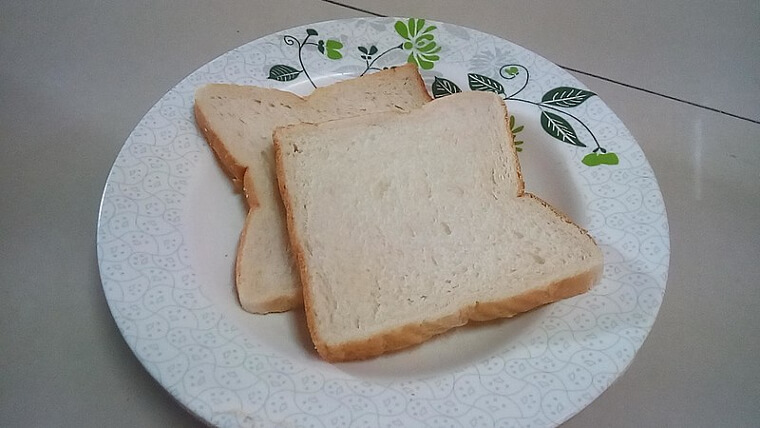
Whole grain options are far better for you. They offer more fiber, vitamins, and minerals, making your sandwich not only delicious but also a much healthier choice.
Flavored Yogurts
Starting your day with yogurt can seem like a healthy choice, but it’s important to pay attention to what kind you’re eating. Many brands claim to be healthy but are loaded with added sugars and unnecessary ingredients.
Surprisingly, even low-fat yogurts can contain up to 45 grams of sugar, which negates any potential health benefits. It’s best to opt for plain, unsweetened yogurt and add your own natural toppings, like fruit or nuts.

Yogurts with added sugars and unnecessary ingredients cancel out any of the health benefits they might offer. It’s better to skip the flavored ones altogether and opt for healthier options like plain, unsweetened yogurt.
Shellfish
Shellfish is a bit more of a “rogue” food, as it’s not something most of us eat daily. It’s often pricey and not very convenient, especially if you’re far from the coast.
However, if you enjoy seafood as an occasional treat, shellfish—like shrimp, crab, lobster, mussels, and oysters—should be consumed with caution. While delicious, shellfish can pose risks like allergic reactions or contamination if not properly handled or cooked.

Shellfish can be high in cholesterol and sodium, and they also carry the risk of foodborne illnesses if not prepared properly. If you’re craving shellfish, it’s best to enjoy it in moderation at trusted restaurants where you know the food is fresh and safely prepared.
Packaged Gelatin
Jell-O and other packaged gelatin may seem like a harmless snack, especially when you want something easy on your teeth. However, they are among the desserts people over 60 should avoid.
These treats are packed with artificial flavors, sugars, and even carcinogens, which can have serious health consequences. The combination of these ingredients with gelatin can lead to metabolism issues, including weight gain, and increase the risk of other health problems.
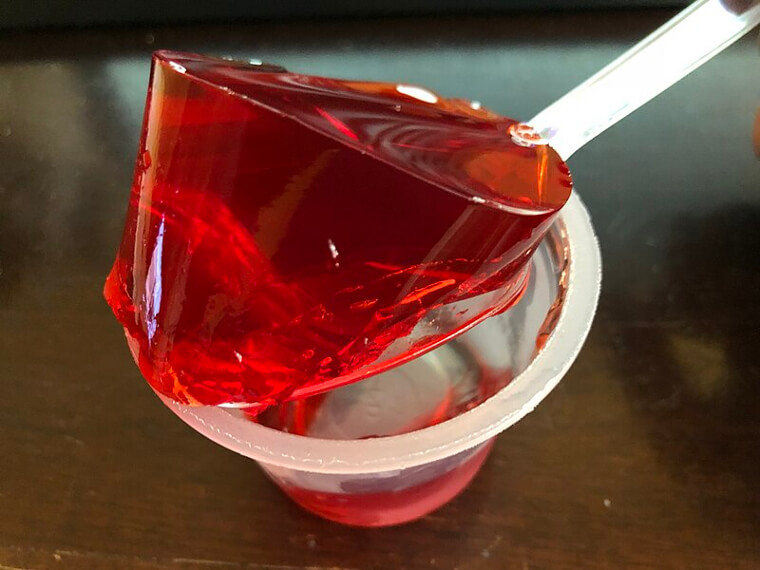
It’s far better to make your own gelatin snacks at home. By using natural fruit juices, you can avoid the harmful artificial flavorings found in packaged gelatin, creating a much healthier and delicious treat.
Butter
Who doesn’t love butter melting on hot toast or adding a rich flavor to pasta? Butter pairs well with many foods, but it’s important to be cautious as we age.
Consuming too much butter can increase cholesterol levels and raise the risk of heart disease, especially as we get older. Moderation is key to keeping your heart healthy while still enjoying your favorite meals.
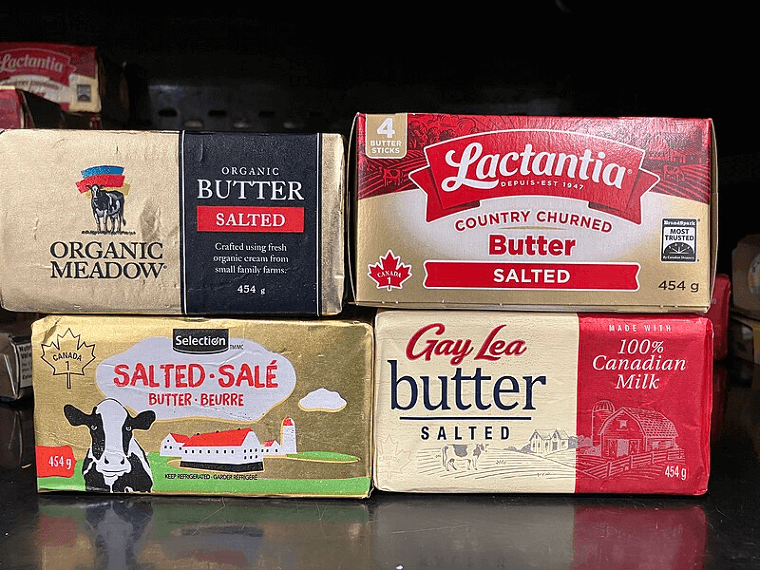
While butter adds great flavor to meals, it’s best to avoid excessive intake. Instead, consider healthier alternatives like avocado or olive oil, which provide beneficial fats without the heart health risks.
Undercooked Meat
Some people enjoy their burgers and steak cooked medium rare, but as we age, it’s safer to opt for meat that’s thoroughly cooked. Undercooked meat, especially after 60, can lead to health complications and weaken your immune system.
Undercooked meat can also harbor harmful bacteria like parasites, E. coli, and salmonella, which can cause serious health issues. It’s best to ensure your meat is fully cooked to reduce these risks.

To avoid serious foodborne illnesses, consider using a meat thermometer. It ensures that your meat reaches safe cooking temperatures, so you can enjoy your meals confidently, knowing they’re thoroughly cooked and safe to eat.
Sprouts
Many of us enjoy adding sprouts to meals for their vitamins and minerals, but they can pose a risk, especially for those over 60. While they offer health benefits, sprouts can harbor harmful bacteria like E. coli and salmonella.
If your immune system is weakened, you may be more vulnerable to these bacteria. It’s best to be cautious and, if you choose to eat sprouts, ensure they are thoroughly washed or consider cooking them to reduce the risk.

If you do choose to eat sprouts, make sure they are fully cooked through to reduce the risk of harmful bacteria. Otherwise, it’s safer to avoid them altogether and opt for alternative vegetables like spinach, kale, or broccoli for similar health benefits.
Raw Milk
Some people believe that consuming raw milk is beneficial, but it’s important to choose the right type of dairy. While dairy has its health benefits, unpasteurized raw milk can contain harmful bacteria like E. coli, salmonella, and listeria.
These bacteria pose a serious risk of foodborne illnesses, especially if you have a weakened immune system. It’s much safer to stick with pasteurized milk to reduce these risks.

Overall, it’s best to avoid raw milk altogether. Instead, opt for pasteurized milk and dairy products, which are much safer and provide all the health benefits without the risk of harmful bacteria.
Fried Foods
We all love a little fried chicken or french fries, but it’s important to reduce the amount of fried food we eat, especially as we get older. For those over 60, making healthier food choices can have a big impact on overall well-being.
Frying can create harmful compounds like trans fats and acrylamide, which are linked to various health issues. Opting for different cooking methods, such as baking or grilling, can help improve your health and reduce these risks.

These harmful compounds are linked to serious health issues like cancer and chronic inflammation. Fried foods can also contribute to weight gain, heart disease, and other chronic conditions.
Switching to healthier cooking methods, such as using an air fryer, can help reduce these risks while still giving you a crispy texture without the added harm. It’s a simple change that can have a big impact on your health.
Sushi
This might be tough for sushi lovers, but unfortunately, sushi comes with some health risks. Traditionally made with raw seafood, sushi can expose you to parasites or bacteria.
Additionally, certain fish used in sushi may contain high levels of mercury, which can be harmful to your health. It’s best to stay cautious and, as hard as it may be, limit the amount of sushi you consume.

The best option is to find a trusted sushi restaurant where you can be sure the seafood is fresh and properly prepared, reducing the risk of harmful bacteria and parasites. Alternatively, why not learn to make sushi at home? This way, you can control the ingredients and ensure it’s as safe and healthy as possible.