
The Best Pre- and Post-Workout Foods for Real Results

When it comes to leveling up your health and actually seeing changes in your body, what you eat and how you move are the real power combo. Nutrition and exercise go together, no way around it. If you want real fitness results, your body needs the right fuel. That goes for weight loss, muscle gain, fat burning, or just feeling stronger and more energized every day.
Eating the right pre-workout foods and post-workout meals can seriously change how you train. You get more energy, better endurance, faster muscle recovery, and way less soreness. It can even help lower your risk of workout injuries. But here’s the catch… just because something is labeled “healthy” doesn’t mean it’s good workout fuel. Some foods slow you down instead of powering you up.
If you want to maximize your workouts and stop wasting gym time, knowing what to eat before and after exercise is a total game changer. Whether you’re on a weight loss plan, muscle-building program, or doing home workouts, smart nutrition matters. Keep reading for the best pre-workout snacks, high-protein post-workout meals, and easy healthy meal prep ideas that support muscle recovery, boost metabolism, and help you get results you can actually see and feel.
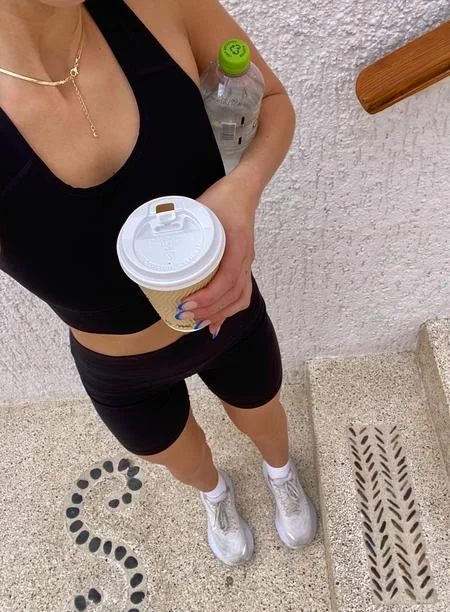
What to Eat Before Your Workout
Food is your body’s gas tank. Simple as that. What you eat before a workout can make or break your energy, strength, and focus. The right pre-workout nutrition helps you train harder, burn more calories, and get better results. That matters if your goal is fat loss, muscle growth, or boosting overall workout performance.
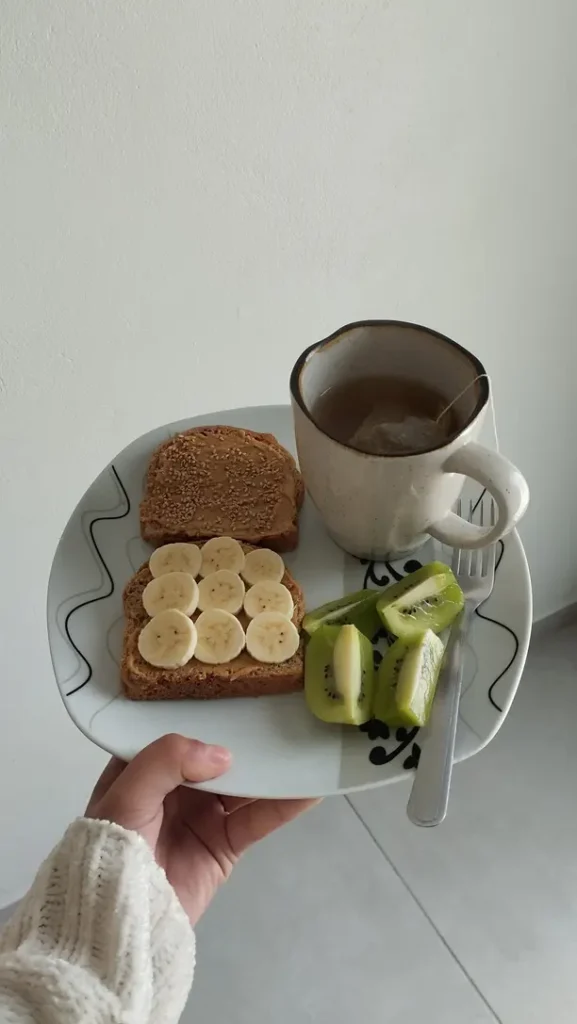
Studies show a solid pre-workout meal can improve endurance, strength, and even recovery. Translation? Better workouts and faster progress.
Timing matters too. Everyone digests food differently, so you may need to test things out. But a good rule of thumb is a balanced meal about 3–4 hours before exercise, plus a light pre-workout snack within 60–90 minutes. This helps keep blood sugar steady and avoids that mid-workout energy crash.
3–4 Hours Before Your Workout
If you’re working out later in the day, don’t skip this meal. It plays a huge role in energy levels, calorie burn, and strength output. Think of it as your body’s setup phase for weight training, cardio workouts, or any weight loss program.
Here’s what your pre-workout meal should include:
Carbohydrates (50–60% of your meal)
Carbs are your main fuel source for exercise. They break down into glucose and glycogen, which your muscles rely on during tough workouts. If you’re doing HIIT workouts, strength training, or fat-burning cardio, carbs matter.
Good options:
- Fruits and vegetables
- Whole-grain bread
- Brown rice or whole-wheat pasta
These are great for energy, stamina, and performance.
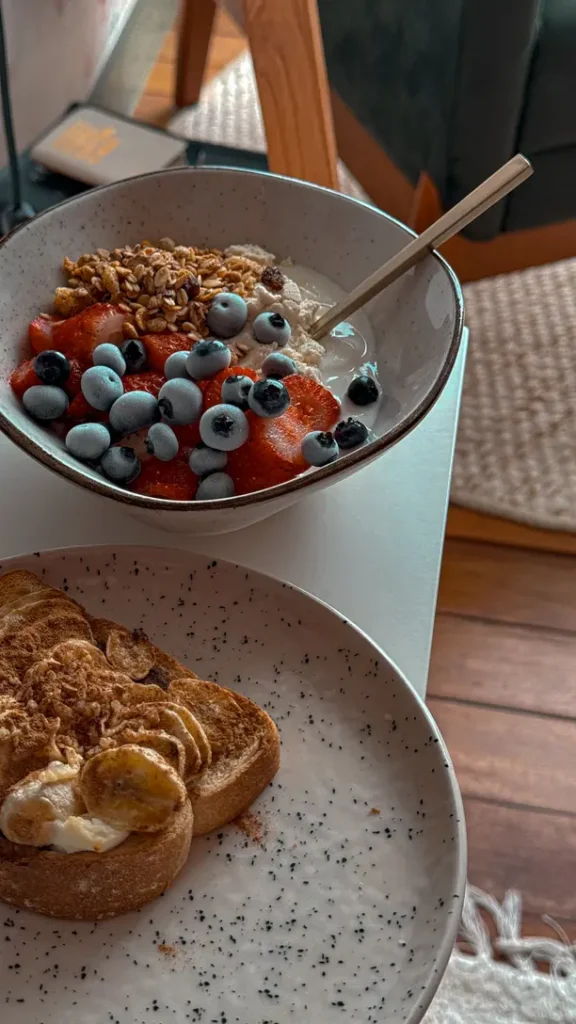
Protein (25–30%)
Protein helps slow carb digestion and supports muscle repair. It also keeps energy steady when workouts get intense. If muscle gain or lean muscle building is your goal, protein is non-negotiable.
Smart protein picks:
- Lean meats
- Tofu or tempeh
- Greek yogurt
- Cottage cheese
These support muscle recovery and help protect muscle during weight loss.
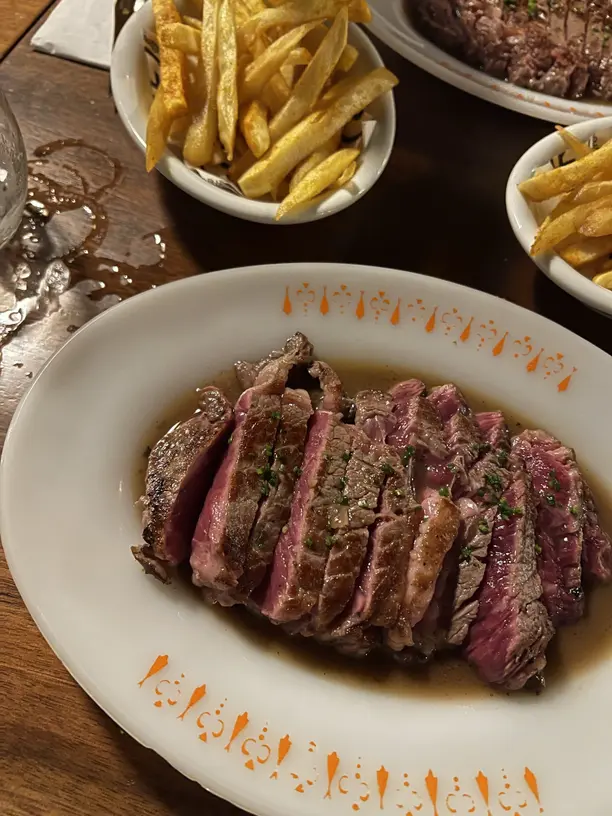
Healthy Fats (20–25%)
Healthy fats keep you full and support longer-lasting energy. They’re especially helpful for endurance training, long cardio sessions, or steady-state workouts.
Good choices:
- Avocado
- Nuts or nut butters
- Seeds
Fats help slow digestion, so energy lasts longer.
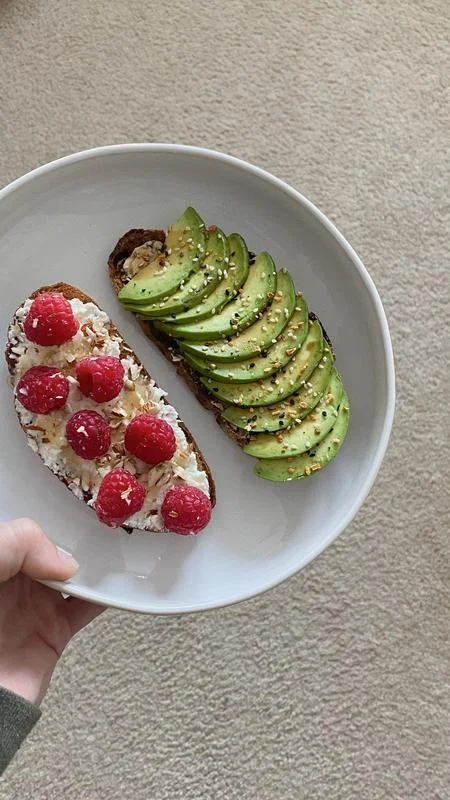
Your pre-workout meal doesn’t have to be fancy. Just be intentional. Something simple works great.
Think:
- A whole-wheat turkey sandwich with cheese and avocado
- Oatmeal with banana and almonds
- A banana, peanut butter, and chocolate protein smoothie
These meals give you the right mix of carbs, protein, and healthy fats to power strength training, cardio workouts, or home fitness routines. Easy fuel. Real results.
Under 90 Minutes Before a Workout
When you’re getting close to workout time, think light and easy. About 90 minutes or less is not the time for a heavy meal. Go for a quick pre-workout snack with fast carbs and a little protein or healthy fat. This gives you an energy boost without feeling bloated or slow.
These snacks digest fast and help power your muscles, especially for high-intensity training.
Easy pre-workout snack ideas:
- Apple with string cheese
- Banana with peanut butter
- Cherry tomatoes with hummus
- Berries with yogurt
- Carrots with natural jerky
These are perfect if you’re doing HIIT workouts, following a weight loss program, or squeezing in an early-morning workout before work.
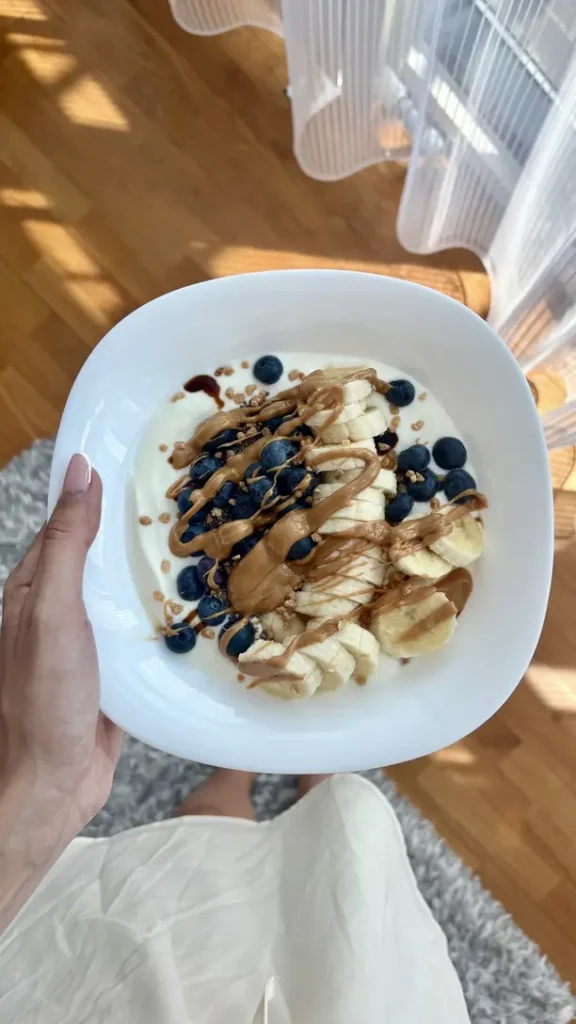
Do You Have to Eat Before a Workout?
This is one of those fitness topics everyone argues about. If you train first thing in the morning, you might not feel hungry at all. That’s normal. Some people actually feel stronger working out fasted, especially if food messes with digestion or causes bloating.
But here’s the other side. If you have a menstrual cycle, training without fuel—especially carbs or glucose—can sometimes impact hormone balance during certain phases. That’s why fasted workouts don’t work the same for everyone.
My honest take?
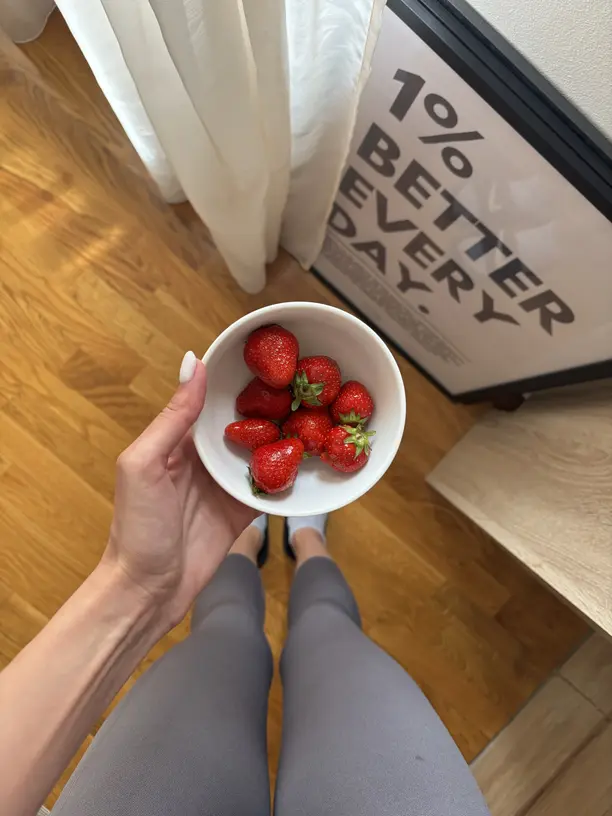
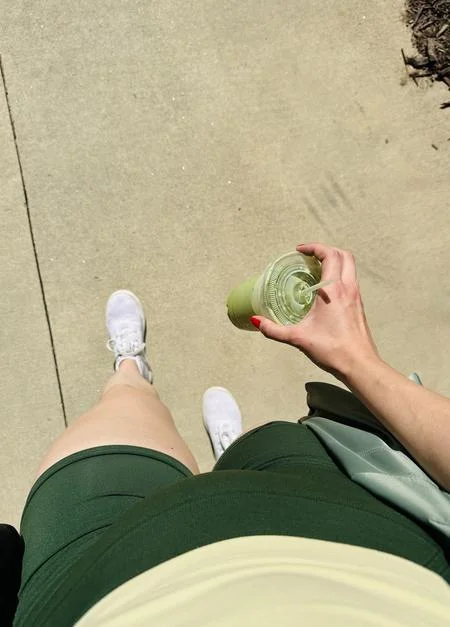
If eating before a workout feels off, skip the big snack. Just stay hydrated and make sure you’re not feeling weak or shaky. You can also try something super light like a small piece of fruit, a green juice, or a quick carb source. Enough energy without upsetting your stomach.
If you’re on a strict weight loss diet, strength training plan, or working on hormone health, checking in with a doctor or registered nutritionist is always smart.
Bottom line:
Listen to your body. Eat when you need it. Test different options. The best pre-workout nutrition is whatever helps you feel strong, energized, and ready to crush your workout.
What to Eat After Your Workout
Post-workout nutrition is all about recovery. After exercise—whether it’s weight training, cardio, Pilates, or a fat-burning workout—your body is running low. Glycogen stores are depleted, and your muscles have tiny tears that need fuel to repair and grow.
Eating a post-workout meal or snack within about two hours helps refill energy, rebuild muscle, and speed up recovery. It also helps reduce soreness and supports lean muscle growth.
A simple rule that works great:
Aim for a 3:1 ratio of carbs to protein.
That can look like:
- 60g carbs + 20g protein
- 30g carbs + 10g protein
This combo supports muscle recovery, boosts metabolism, and helps you feel ready for your next workout. Huge benefits if you’re following a fitness program, bodybuilding routine, or calorie-burning plan and want real, visible results.
Post-Workout Meal Ideas
After a tough workout, your body needs real fuel. This is where recovery nutrition matters most. These post-workout meals help refill glycogen, repair muscle, and support lean muscle growth. Plus, they’re easy to make and don’t feel like diet food.
Easy recovery meal ideas:
- A smoothie with berries, protein powder, chia seeds, and leafy greens
- Oatmeal with nut butter and banana for carbs + healthy fats
- Whole-wheat tortilla with avocado, shredded chicken, and bell peppers
- Brown rice bowl with lean protein like chicken, fish, or tofu and stir-fry veggies
- Baked sweet potato with greens, black beans, and avocado-cilantro dressing
- Whole-wheat crackers with tuna salad (olive oil mayo) and grapes

These meals hit the sweet spot for muscle recovery, metabolism support, and post-workout energy.
If you can’t sit down for a full meal, no stress. A quick high-protein snack still helps with muscle repair and keeps your protein intake on point.
Grab-and-go protein snacks:
- Tuna or chicken pouches
- Dry roasted edamame
- Hard-boiled eggs
- Yogurt
- String cheese
Perfect for busy days or right after the gym.
The Importance of Hydration
Hydration isn’t optional if you want better workouts, faster recovery, and efficient fat burning. Water supports muscle function, energy levels, and even appetite control. And yes… if Taylor Swift can carry a giant water bottle everywhere, we can too.
When you sweat, you lose water and electrolytes. That can lead to muscle cramps, fatigue, headaches, and slower recovery if you don’t replace them.

Aim for around 9 glasses of water a day, about 72 ounces. You’ll need more if you’re doing intense workouts, hot yoga, long runs, or heavy strength training.
On tougher training days, electrolytes help a lot. Try:
- Electrolyte drink mixes
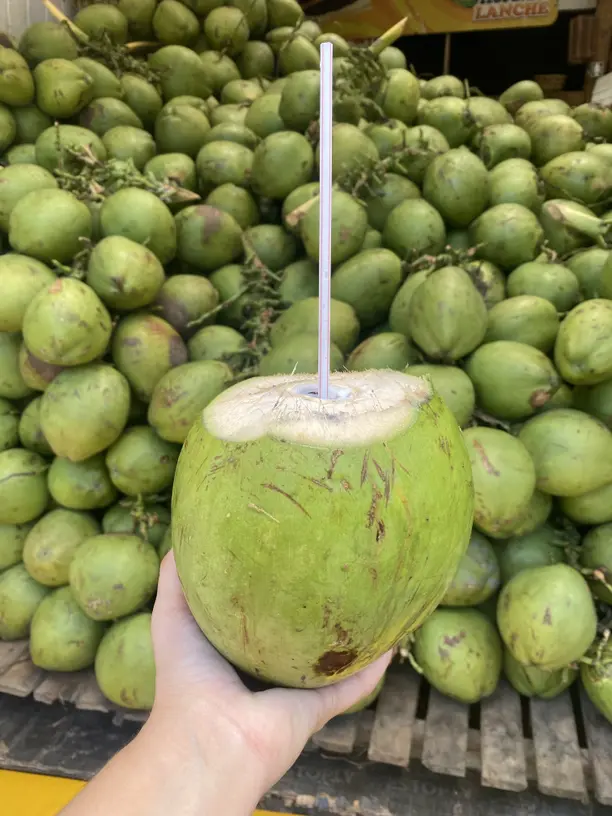
- Coconut water with a pinch of sea salt
- Low-sugar hydration powders
They help restore balance, keep muscles firing, and support steady energy.
Natural Supplements to Boost Your Workouts
Sometimes you need a little extra push. Natural supplements can help increase workout energy, improve performance, and speed up recovery—without feeling extreme or sketchy.
Here are a few easy ones to add to your fitness routine or healthy meal prep.
Caffeine
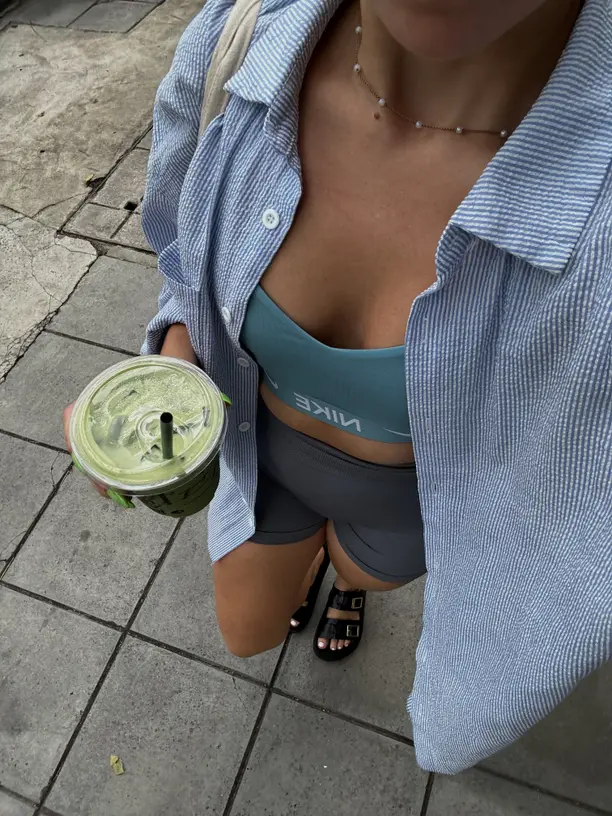
Caffeine is one of the most popular pre-workout supplements for a reason. It boosts energy, improves focus, and can even increase calorie burn. Great for fat-loss workouts, strength training, and cardio days.
If coffee isn’t your thing, matcha is a solid option. It gives smoother energy with less crash and is packed with antioxidants that support recovery and overall health.

Quick-Digesting Carbohydrates
If your workout is less than an hour away and energy feels low, simple carbs can save you. They digest fast and give you quick fuel for HIIT workouts, lifting sessions, or long runs.
Easy options:
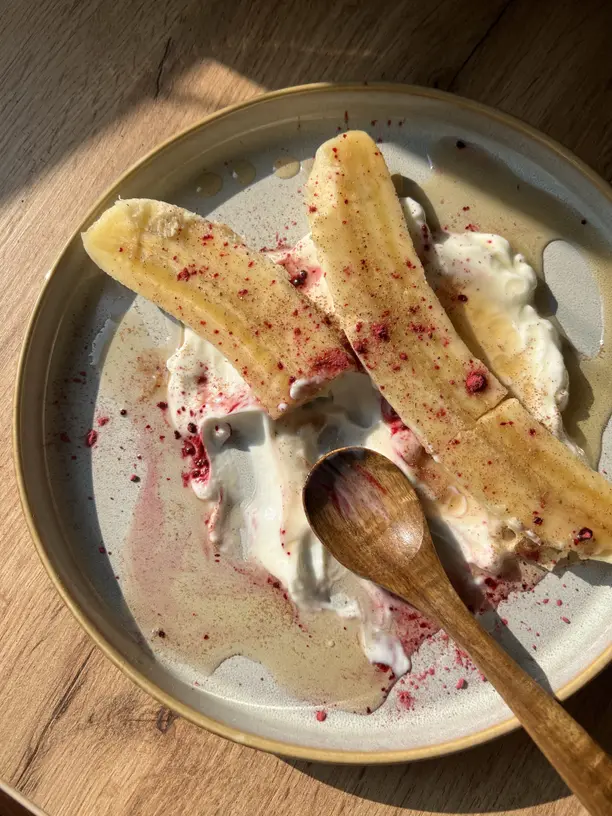
- Bananas
- Applesauce
- Honey with a pinch of salt
Yep, that viral sweet-and-salty combo actually works. Fast energy, better performance, and no heavy feeling. Perfect when you need fuel now.
Turmeric & Ginger
These two are basically natural recovery boosters. Turmeric and ginger are powerful anti-inflammatory supplements that help reduce muscle soreness, ease joint pain, and speed up post-workout recovery. Huge plus if you’re lifting heavy, doing HIIT workouts, or training often.
They also support joint health and mobility, which matters a lot for long-term fitness and injury prevention.
Easy ways to add turmeric and ginger to your diet:
- Blend them into smoothies
- Make a warm turmeric or ginger latte
- Toss into scrambled eggs
- Sprinkle on roasted veggies
- Mix into pasta or rice dishes
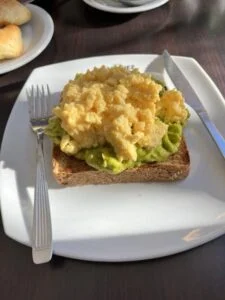
Quick tip: always pair turmeric with black pepper. It increases curcumin absorption, so your body actually gets the full anti-inflammatory and muscle recovery benefits. Small add, big impact.