
17 Simple Wellness Habits That Make Your 30s Feel So Much Better

Your 30s can honestly be one of the best phases of life. You’re more confident, you know yourself better, and you’re probably juggling career, family, and big goals. But yeah… your body starts sending little reminders that things are changing.
Late nights hit harder. Recovery takes longer. You might notice stubborn weight gain, lower energy, joint pain, or skin that doesn’t glow like it used to. Totally normal. This is usually when metabolism slows, stress levels rise, and lifestyle habits start catching up.
That’s why self-care in your 30s isn’t a luxury anymore. It’s more like preventive health care.
The good news? You don’t need extreme diets or expensive wellness programs. Just a few smart, high-impact lifestyle changes can protect your long-term health, boost energy, support hormone balance, and even help with anti-aging.
Here are 17 simple but powerful upgrades you can make to your wellness routine in your 30s. Small steps. Real results. And habits that actually stick.
1. Start Prioritizing Sleep
In your 20s, you could survive on bad sleep and coffee. In your 30s? Not so much. Sleep becomes non-negotiable. It affects everything — brain health, weight management, hormone balance, immune system, even your mood.

Aim for 7–9 hours of quality sleep every night. Same bedtime. Same wake-up time. That routine alone can improve sleep quality fast. Cut screen time before bed, dim the lights, maybe read a book or do a short wind-down ritual. Think of sleep as free preventive healthcare — because that’s exactly what it is.
2. Drink More Water
Hydration matters way more than most people think, especially as you age. Drinking enough water supports skin health, digestion, metabolism, energy levels, and even joint lubrication.

Keep water nearby all day. A reusable bottle helps. Phone reminders work too. If plain water feels boring, add lemon or electrolytes (low sugar ones). When you’re hydrated, you’ll notice better focus, fewer headaches, and less fatigue. Small habit. Big wellness payoff.
3. Eat More Whole Foods
Your metabolism starts slowing down in your 30s. That’s just biology. Which means processed food hits harder now — more weight gain, blood sugar spikes, and low energy.
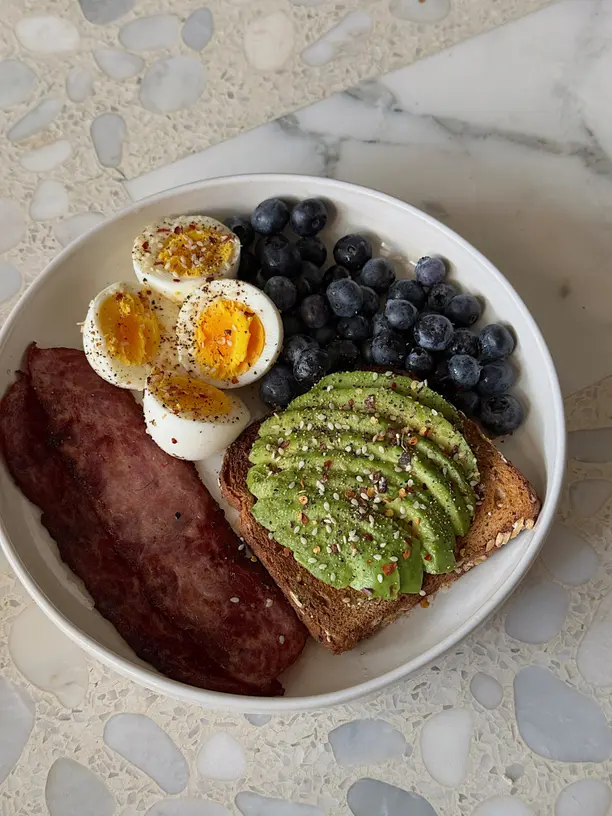
Focus on whole, nutrient-dense foods. Think fruits, veggies, whole grains, healthy fats, and lean protein. Cut back on ultra-processed snacks, sugary drinks, and fast food. Eating real food helps with weight control, gut health, inflammation, and long-term disease prevention. Simple swaps go a long way.
4. Stretch Every Day
Tight hips. Sore back. Stiff neck. Welcome to adulthood. Daily stretching keeps your body moving well and helps prevent chronic pain and injuries.

You don’t need a full yoga class. Even 5–10 minutes a day helps with flexibility, posture, circulation, and stress relief. Stretch in the morning, before bed, or after workouts. Especially important if you sit at a desk all day. Your joints will feel the difference fast.
5. Review Your Fertility and/or Birth Control Plan
Your 30s are a big window for reproductive health planning. Whether you want kids now, later, or never — knowledge is power.
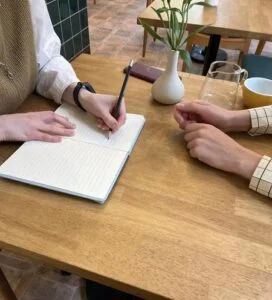
Talk with your doctor about fertility testing, hormone health, and birth control options. What worked in your 20s may not be ideal anymore. There are newer, safer, and more personalized options now. This isn’t about pressure. It’s about making informed choices that support your future and your overall health.
6. Focus on Anti-Aging and Skin Protection
Your 30s are usually when skin starts changing for real. Fine lines show up. Sun damage becomes more obvious. Skin can feel drier or dull. Totally normal. This is where anti-aging skincare and skin protection really matter.

Wear broad-spectrum sunscreen every single day. Yes, even when it’s cloudy or you’re indoors a lot. Add simple skincare with vitamin C, retinol, and hyaluronic acid to support collagen and slow premature aging. And don’t forget the basics — good sleep, hydration, and stress control. Expensive creams won’t fix what lifestyle breaks.
7. Add Strength Training to Your Exercise Routine
After 30, muscle loss starts creeping in if you’re not paying attention. Less muscle means slower metabolism, weaker joints, and more body fat over time.
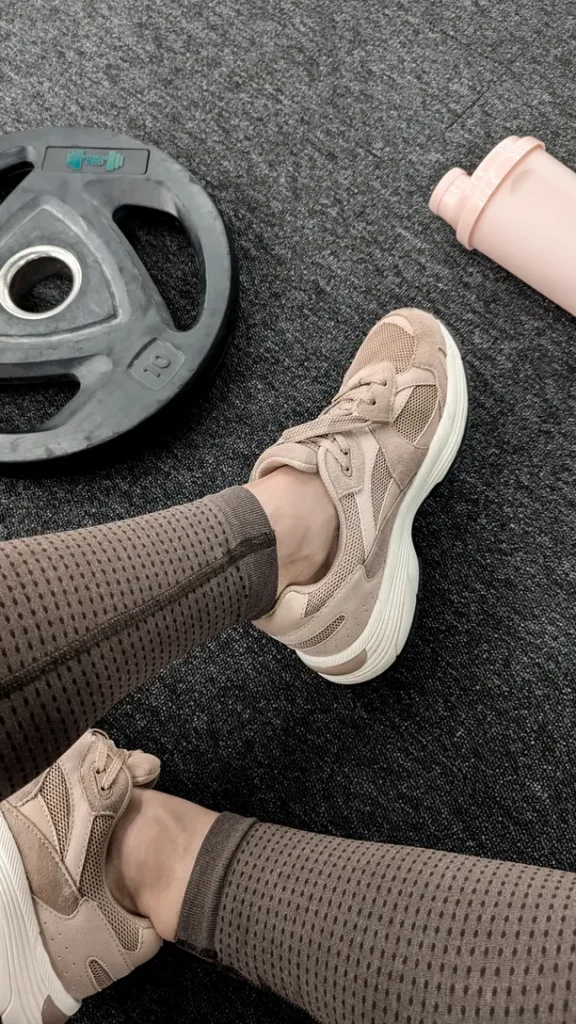
Strength training helps preserve lean muscle, improve bone density, and boost calorie burn — even at rest. You don’t need a hardcore gym plan. Bodyweight moves like squats, lunges, push-ups, or light dumbbells work great. 2–3 strength workouts a week can seriously change how strong and toned you feel.
8. Get Annual Bloodwork
Feeling “fine” doesn’t always mean everything is fine inside. Annual bloodwork gives you a clear picture of your metabolic health, vitamin levels, hormones, cholesterol, and blood sugar.
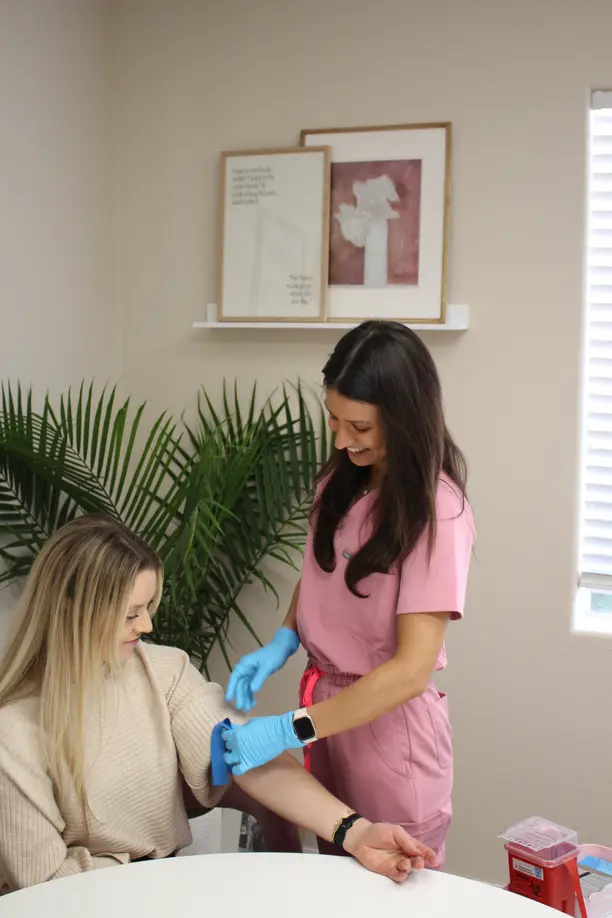
Catching issues early saves money, stress, and future health problems. Ask your doctor about routine labs and preventive screenings. When you know your numbers, you can actually fix things instead of guessing. That’s smart healthcare, not overthinking.
9. Manage Stress Better
Chronic stress quietly wrecks your body. It messes with hormones, sleep, digestion, weight, and immune health. In your 30s, stress management isn’t optional anymore.

Find what helps you reset. Deep breathing. Walking outside. Journaling. Therapy. Even saying no more often. Lowering stress improves mental health, heart health, and even skin aging. Calm is a skill — and it’s worth learning.
10. Move Your Body Daily
You don’t need intense workouts every day, but daily movement is non-negotiable. Sitting too much slows metabolism and increases health risks fast.
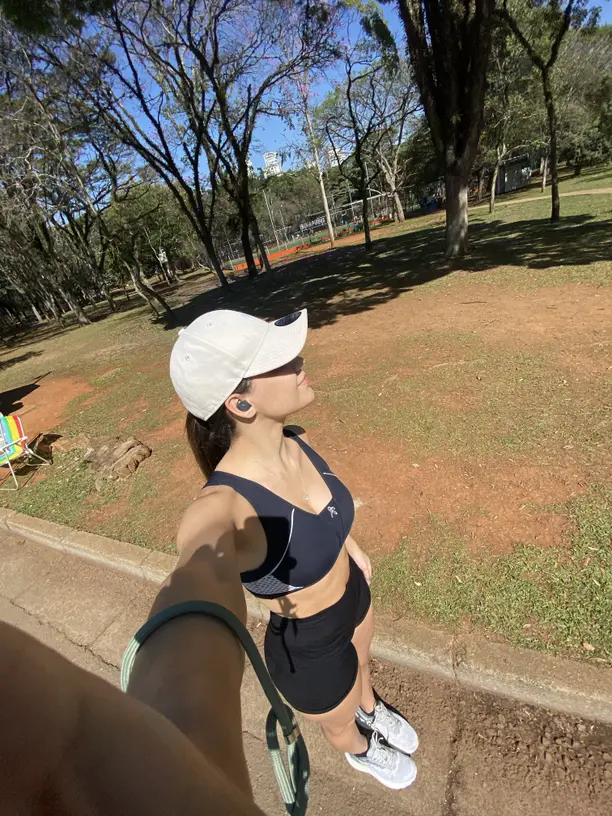
Aim for simple movement — a brisk walk, stretching, dancing, or light cardio. Even 20 minutes a day improves circulation, heart health, mood, and energy levels. Consistency matters more than intensity. Just keep moving.
11. Watch Your Posture
Bad posture sneaks up on you, especially with desk jobs and phone scrolling. Over time, it leads to neck pain, back pain, headaches, and low confidence.

Check in with your posture throughout the day. Shoulders relaxed. Core engaged. Chin level. Strengthening your core and upper back helps a lot too. Better posture = less pain and more presence. Small fix. Big impact.
12. Build a Morning Routine
How you start your morning sets the tone for everything else. In your 30s, a solid morning routine can help with focus, stress levels, and mental clarity.

You don’t need a 5 a.m. miracle schedule. Wake up a bit earlier. Drink tea or coffee in silence. Journal for five minutes. Take a short walk. These small habits help lower stress hormones and make your day feel less rushed. Calm mornings = better days.
13. Practice Gratitude
Your brain naturally looks for problems. Gratitude flips that switch. It’s one of the easiest ways to improve mental health, emotional wellness, and stress management.
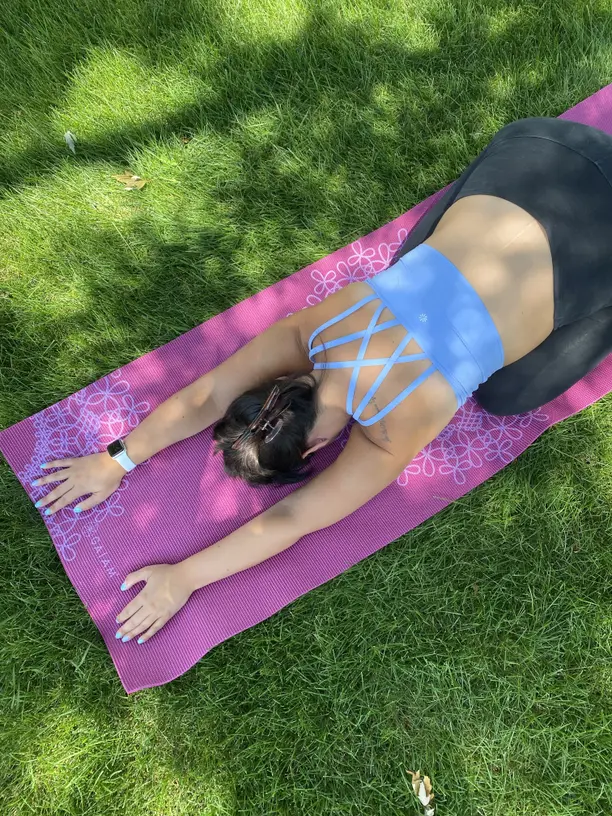
Every morning or before bed, list three things you’re grateful for. Big or small doesn’t matter. Over time, this rewires your mindset and boosts happiness. It sounds simple, but it works — and it’s free.
14. Spend Time Alone
Your 30s are busy. Work. Family. Social obligations. Constant noise. That’s why alone time becomes essential, not optional.

Solo time helps your nervous system reset. Take a quiet walk. Sit with your thoughts. Enjoy coffee without scrolling. Being alone improves self-awareness, emotional balance, and mental clarity. It’s not selfish — it’s smart self-care.
15. Take Breaks from Technology
Too much screen time messes with sleep, focus, eye health, and mood. Constant notifications keep your brain in stress mode.

Take short digital detox breaks during the day. Step outside. Stretch. Talk to someone face to face. At night, turn off screens an hour before bed to improve sleep quality. Less screen time = better energy and mental health.
16. Make Time for Fun
Adult life can feel all responsibility, no play. But fun is a big part of emotional wellness and stress relief.

Do things that make you laugh or feel creative. Dance. Paint. Read. Play games. Spend time with people who lift you up. Joy lowers stress hormones and improves overall health. Fun isn’t a distraction — it’s fuel.
17. Listen to Your Body
Your body gives you signals every day. Fatigue, pain, mood changes, low energy — these aren’t random. They’re messages.

In your 30s, learning to listen is powerful. Rest when you’re tired. Eat when you’re hungry. Get help when something feels off. This is how you prevent burnout, illness, and long-term health issues. You know your body better than anyone.
Final Thoughts
Your 30s are about building habits that support your future health — physically, mentally, and emotionally. You don’t need to change everything at once. Start small. Stay consistent.
Wellness isn’t perfection. It’s daily choices that show self-love, balance, and intention. Treat your body and mind with care now, and they’ll take care of you for years to come.