
What Really Happens Inside Your Body When You Skip Breakfast

Skipping breakfast sounds like no big deal. You’re rushing to work. Trying to lose weight. Or you just don’t feel hungry in the morning. Happens to a lot of people.
But doing this over and over can mess with your body more than you think. It can hit your metabolism, mess up blood sugar levels, and drain your energy fast. Hormones like insulin and cortisol get thrown off too.
So yeah, missing breakfast isn’t just about skipping a meal. Over time, it can affect weight loss, focus, and even long-term health. Let’s break down what actually happens when you keep skipping it.
Your Energy Levels Drop
Breakfast is your body’s fuel. Simple as that. Skipping it is like trying to drive with an empty tank. You might feel okay at first, but by mid-morning you’re drained. Slow. Kinda weak.

When you don’t eat in the morning, blood sugar stays low. And blood sugar is what powers your brain and muscles. That’s why skipping breakfast can leave you tired, moody, and foggy. Focus drops. Productivity drops. Even simple tasks feel harder.
You May Start to Overeat Later
Skipping breakfast doesn’t really help with calorie control. Most of the time, it does the opposite. When your stomach stays empty too long, hunger hormones kick in hard.
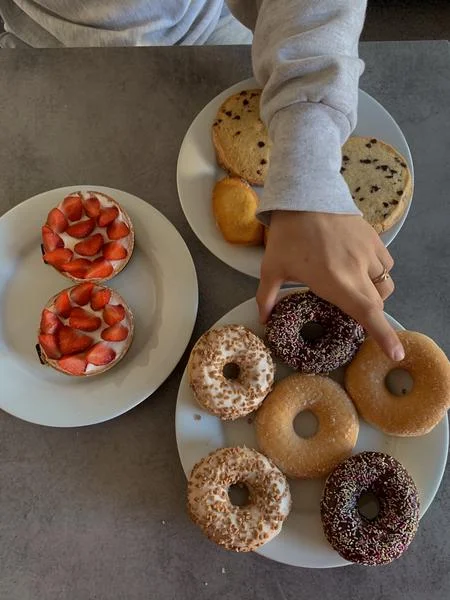
By lunch, you’re starving. You eat fast. You eat more. And healthy choices go out the window. People who skip breakfast often reach for high-calorie snacks, sugary drinks, or processed foods just to feel better fast.
Over time, this pattern can lead to weight gain and poor eating habits. Not great for long-term weight loss or fat burning.
Your Metabolism Slows Down
Your metabolism needs a signal to wake up. Breakfast sends that signal. It tells your body food is available and energy can be burned.
When you skip breakfast, that signal never comes. Your body shifts into energy-saving mode. Metabolism slows down. Fat burning slows down too.
Do this often enough, and staying at a healthy weight gets harder. Even when you eat less later.
You Might Feel More Stressed
Food affects your mood more than you think. Skipping breakfast can raise cortisol levels, your main stress hormone.
High cortisol can make you anxious, irritable, or on edge. Add hunger to that, and hello “hangry” moments. You snap faster. Little things annoy you.

A balanced breakfast helps keep stress hormones steady and your mood more stable throughout the day.
You Could Miss Important Nutrients
Breakfast foods are packed with key nutrients. Eggs, oats, fruit, yogurt, whole grains. All good stuff your body actually needs.
When you skip breakfast often, you may fall short on fiber, calcium, iron, vitamin D, and protein. These nutrients support heart health, bone strength, digestion, and energy levels.

Skipping the morning meal makes it harder to catch up later. And over time, nutrient gaps can affect overall health in a big way.
Your Brain Doesn’t Work as Well
Your brain needs fuel to fire on all cylinders. When you skip breakfast, it doesn’t get enough glucose, the main energy source for brain function. And yeah, you feel it. Focus drops. Memory gets shaky. Decision-making feels harder than it should.

Studies show kids and teens who eat breakfast perform better in school. Better attention. Better recall. Same thing applies to adults at work. If you want better mental clarity, productivity, and brain health, breakfast matters more than you think.
Your Blood Sugar May Fluctuate
Skipping breakfast can mess with blood sugar levels fast. First, blood sugar stays low. Then when you finally eat, it can spike too high, too quickly. That swing isn’t fun.

You might feel dizzy, shaky, tired, or suddenly weak. For people with diabetes or insulin resistance, skipping breakfast can make blood sugar control way harder. Even if you’re healthy, stable blood sugar keeps energy steady and cravings in check.
You Might Gain Weight, Not Lose It
A lot of people skip breakfast for weight loss. Sounds logical, right? Fewer meals, fewer calories. But the body doesn’t work that way.
Skipping breakfast often leads to intense hunger later. That’s when overeating happens. Bigger portions. More processed food. More sugar. Plus, your body may store more fat when it feels food is scarce.

Eating a small, balanced breakfast can actually support fat burning, appetite control, and long-term weight management.
Your Digestion Can Be Affected
Even if you don’t eat, your stomach still produces acid. With no food to digest, that acid can irritate your stomach lining. That’s how issues like bloating, stomach pain, or acid reflux can start.

Breakfast gives your digestive system something to work with. It helps kickstart digestion, supports gut health, and keeps things moving. A regular morning meal can even help with constipation and overall digestive balance.
You Might Feel Cold
Food creates energy. Energy creates heat. When you skip breakfast, your body has less fuel to burn, so staying warm gets harder.
You might notice cold hands, cold feet, or feeling chilled even when others are fine. This is more common in colder months. A warm breakfast like oatmeal, eggs, or whole grains can help raise body temperature and keep you feeling comfortable.

Skipping breakfast isn’t just about food. It affects brain function, blood sugar, digestion, metabolism, and even how warm you feel. Small habit. Big impact.
You Miss a Chance to Connect
Breakfast isn’t just about calories or macros. It’s also about connection. Sitting down with family, a partner, or roommates gives you a calm start. A few laughs. Quick chats. Good vibes before the day gets crazy.
Even eating alone matters. A slow, peaceful breakfast can lower stress, improve mental health, and set a better mood for the day. Skipping breakfast means skipping that quiet reset your brain actually needs.
You May Feel Sluggish During Workouts
If you work out in the morning, skipping breakfast can hurt performance. Your body needs fuel for strength training, cardio, or fat-burning workouts. No fuel means low energy.

You might feel weak, dizzy, or run out of stamina fast. Muscle fatigue kicks in early. Even a small pre-workout snack helps. A banana, toast, yogurt, or protein smoothie can boost workout energy and improve recovery.
Your Skin Might Look Dull
What you eat shows up on your skin. Skipping breakfast often means missing key vitamins like A, C, E, and healthy fats. These are big for skin health and collagen production.

Low blood sugar and high cortisol from skipping meals can also trigger breakouts, redness, and dull-looking skin. A balanced breakfast with fruit, protein, and healthy fats can support clear, glowing skin over time.
Your Hormones May Get Out of Balance
Hormones control hunger, energy levels, sleep, and fat storage. Skipping breakfast can throw that whole system off.

Hunger hormones like ghrelin go up, leading to strong cravings for sugar and processed foods. Insulin and cortisol can spike too, affecting blood sugar control, stress levels, and weight gain. A regular breakfast helps keep hormones steady and cravings under control.
So, Should You Always Eat Breakfast?
Not everyone wakes up hungry, and that’s fine. But skipping breakfast every single day can slowly take a toll on your body.
You don’t need a big meal. Even something small helps. A smoothie, fruit, boiled eggs, or a protein bar can support energy, metabolism, and focus.
Listen to your body. If you feel tired, moody, or binge later in the day, breakfast might be the fix.
Tips for Building an Ideal Healthy Breakfast
A healthy breakfast helps with energy, weight management, brain function, and overall health. But yeah, mornings are busy. And food choices can feel confusing.
Eggs or oats? Cereal or smoothies? What if you’re short on time?
Good news. You don’t need perfection. Just focus on simple, high-protein, nutrient-dense foods that keep blood sugar stable. With a few easy tweaks, you can build a breakfast that fuels your body and actually fits your lifestyle.
Start with Protein
Protein is huge in the morning. It helps control hunger, supports muscle health, and keeps blood sugar stable. A high-protein breakfast can also help with weight loss and steady energy levels.
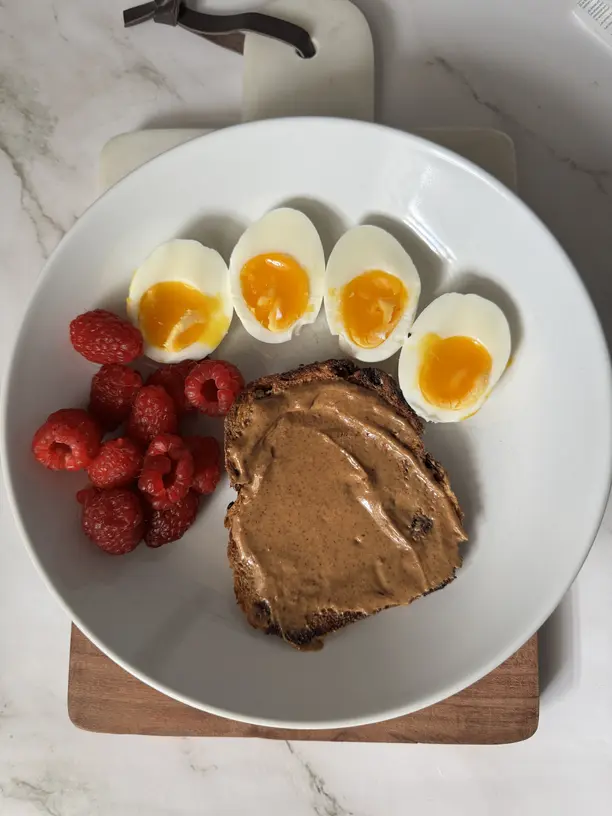
Easy protein options? Eggs, Greek yogurt, cottage cheese, peanut butter, protein powder, or a quick protein smoothie. Even nuts and seeds count. Just try to get some protein on your plate every morning.
Add Whole Grains
Whole grains give you slow, steady energy. Not the quick spike and crash. They’re packed with fiber, which helps digestion and keeps you full longer.

Skip white bread and sugary cereals when you can. Go for oats, whole-grain toast, whole-wheat wraps, or brown rice. These healthy carbs support metabolism and brain focus throughout the day.
Include Fruits or Vegetables
Fruits and veggies bring vitamins, minerals, and antioxidants your body needs. They support immune health, digestion, and overall wellness.

Add berries to oatmeal, banana on toast, or spinach with eggs. Even one fruit or veggie at breakfast can boost nutrition and make a real difference over time.
Don’t Forget Healthy Fats
Healthy fats help your brain, heart, and skin. They also help you feel satisfied so you’re not snacking an hour later.
Good sources include avocado, olive oil, nuts, seeds, and nut butters. Try avocado toast, chia seeds in a smoothie, or almonds on the side. Keep portions small. A little fat goes a long way.
Watch the Sugar
A lot of “breakfast foods” are sugar bombs. Cereal, pastries, flavored yogurt, and granola bars can spike blood sugar fast. Then comes the crash.
Check food labels when buying packaged stuff. Choose low-sugar options. Sweeten oatmeal or yogurt with fruit instead of syrup or white sugar. Better for energy and insulin levels.
Drink Something Healthy
Drinks matter more than people think. Sugary coffee drinks, juices, and energy drinks add a ton of hidden calories and sugar.
Water is the best choice. You can also go with black coffee, unsweetened tea, or a fruit-and-veggie smoothie. If you drink milk, pick a low-fat option. Try to skip soda and energy drinks, especially first thing in the morning.

A balanced breakfast doesn’t need to be fancy. Just protein, fiber, healthy fats, and low sugar. Simple habits like these can improve energy, metabolism, and overall health fast.
Keep It Simple and Balanced
A healthy breakfast doesn’t need to look fancy or Instagram-ready. Keep it basic. Just aim for balance. Protein, whole grains, healthy fats, and some fruit or veggies. That combo supports energy, metabolism, and blood sugar control.
Something simple works great. Whole-grain toast with peanut butter and a banana. Scrambled eggs with spinach and toast. Greek yogurt with fruit and nuts. Easy. Real food.
Plan Ahead
Mornings get crazy. That’s usually when breakfast gets skipped or replaced with junk. Planning ahead makes healthy eating way easier.

Prep overnight oats. Keep boiled eggs ready. Pre-cut fruit. Store smoothie ingredients in the freezer. You can even pack a high-protein breakfast to eat at work or school. A little prep saves a lot of stress.
Eat What You Enjoy
Healthy eating shouldn’t feel like punishment. You don’t have to give up foods you love. Just upgrade them.

Love pancakes? Use whole-wheat flour and top with fruit instead of syrup. Like toast? Choose whole grain and add eggs or avocado. When breakfast tastes good, you’ll stick with it long-term.
Don’t Skip Breakfast
Skipping breakfast is tempting. Especially if you’re busy or trying to lose weight. But missing that first meal can lead to low energy, cravings, mood swings, and overeating later.
Even something small helps. A banana. A boiled egg. A protein bar. Fueling your body early helps your brain and metabolism wake up the right way.
Mix It Up
Eating the same breakfast every day gets boring fast. Switching things up keeps meals fun and improves nutrient intake.
One day oatmeal with berries. Next day eggs with avocado. Then a smoothie or yogurt bowl. Variety helps your body and keeps you from getting stuck in a rut.
Try Cultural Breakfast Ideas
Breakfast doesn’t have to be cereal or toast. Other cultures have amazing, healthy breakfast options.

In Japan, it might be rice, fish, and soup. In Mexico, eggs with beans and tortillas. In India, lentils, flatbread, and veggies. These meals are balanced, filling, and great for digestion and energy. Borrow ideas and make them work for you.
Listen to Your Body
Some people wake up starving. Others don’t. Both are normal. The goal is to listen to your body and respond.

If a big breakfast feels heavy, start small. Notice how you feel after eating. More energy? Better focus? Stable mood? That’s your sign you’re doing it right.
Final Thoughts
A healthy breakfast doesn’t have to be complicated or time-consuming. With simple planning and smart food choices, you can build a meal that boosts energy, supports weight management, and keeps blood sugar steady.
Focus on protein, fiber, healthy fats, and low sugar. Drink something hydrating. Keep it enjoyable.
Make breakfast a habit, not a chore. When you start your day with good fuel, everything else gets easier. A strong day really does start with a smart breakfast.